


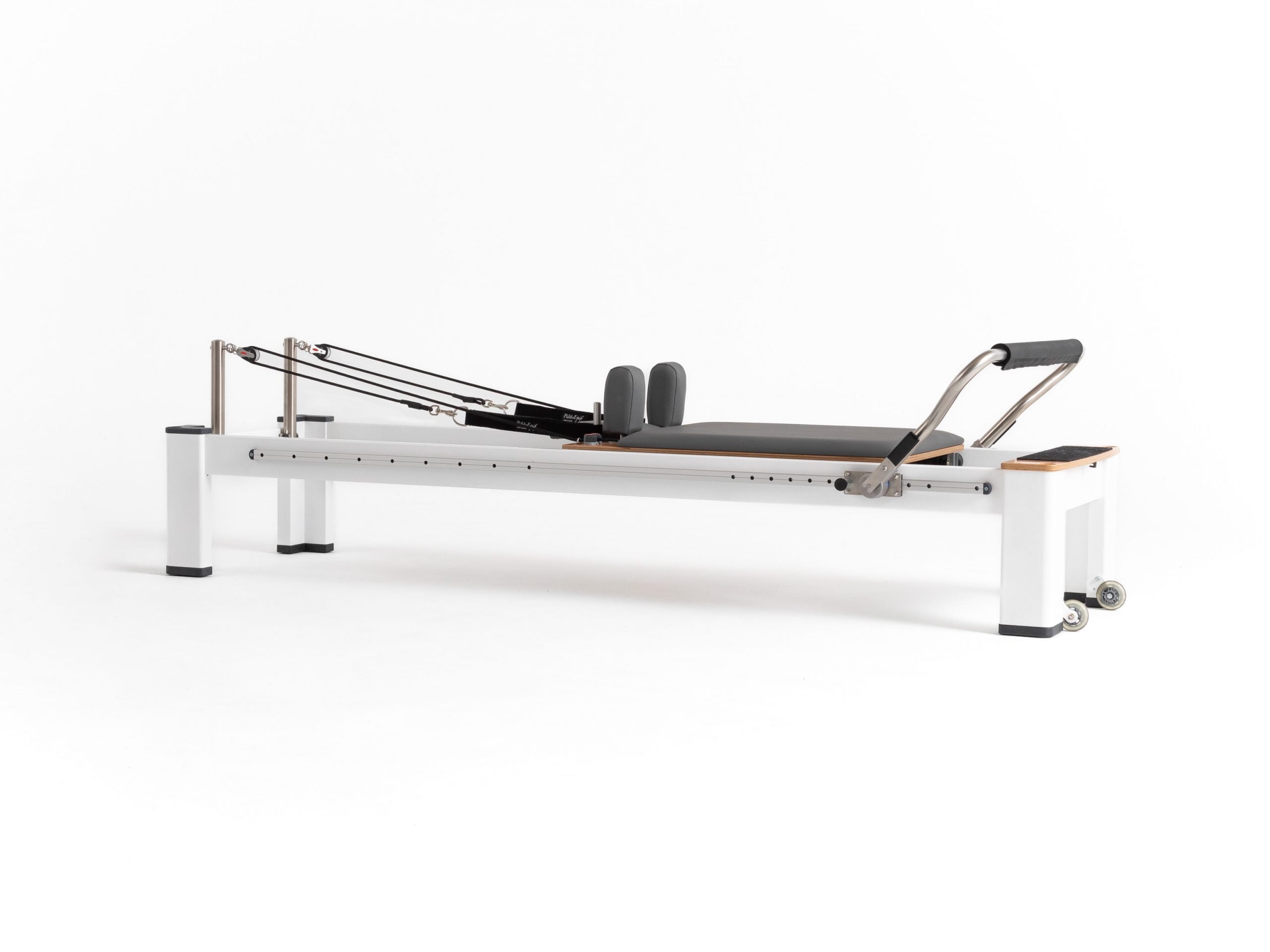
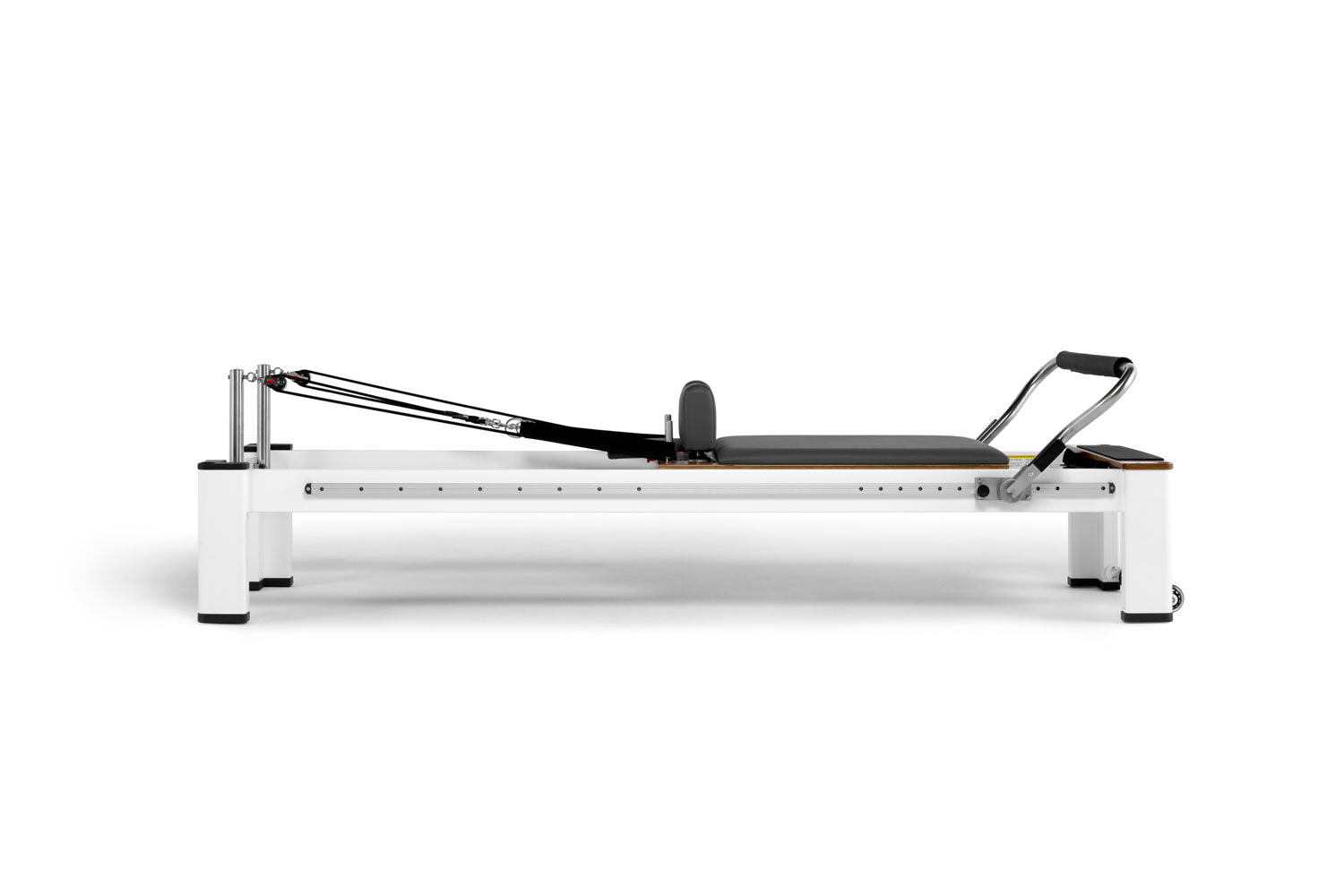
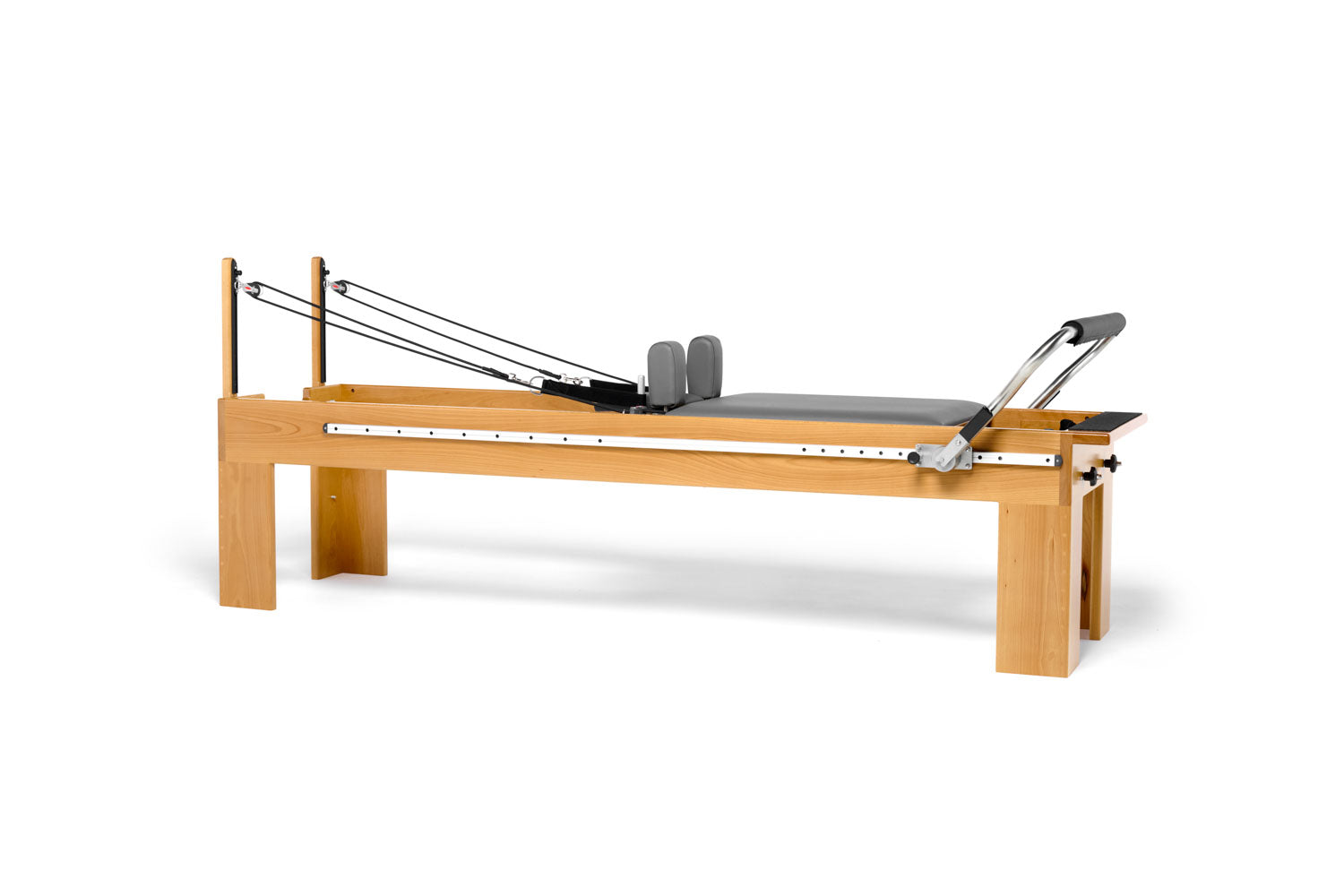
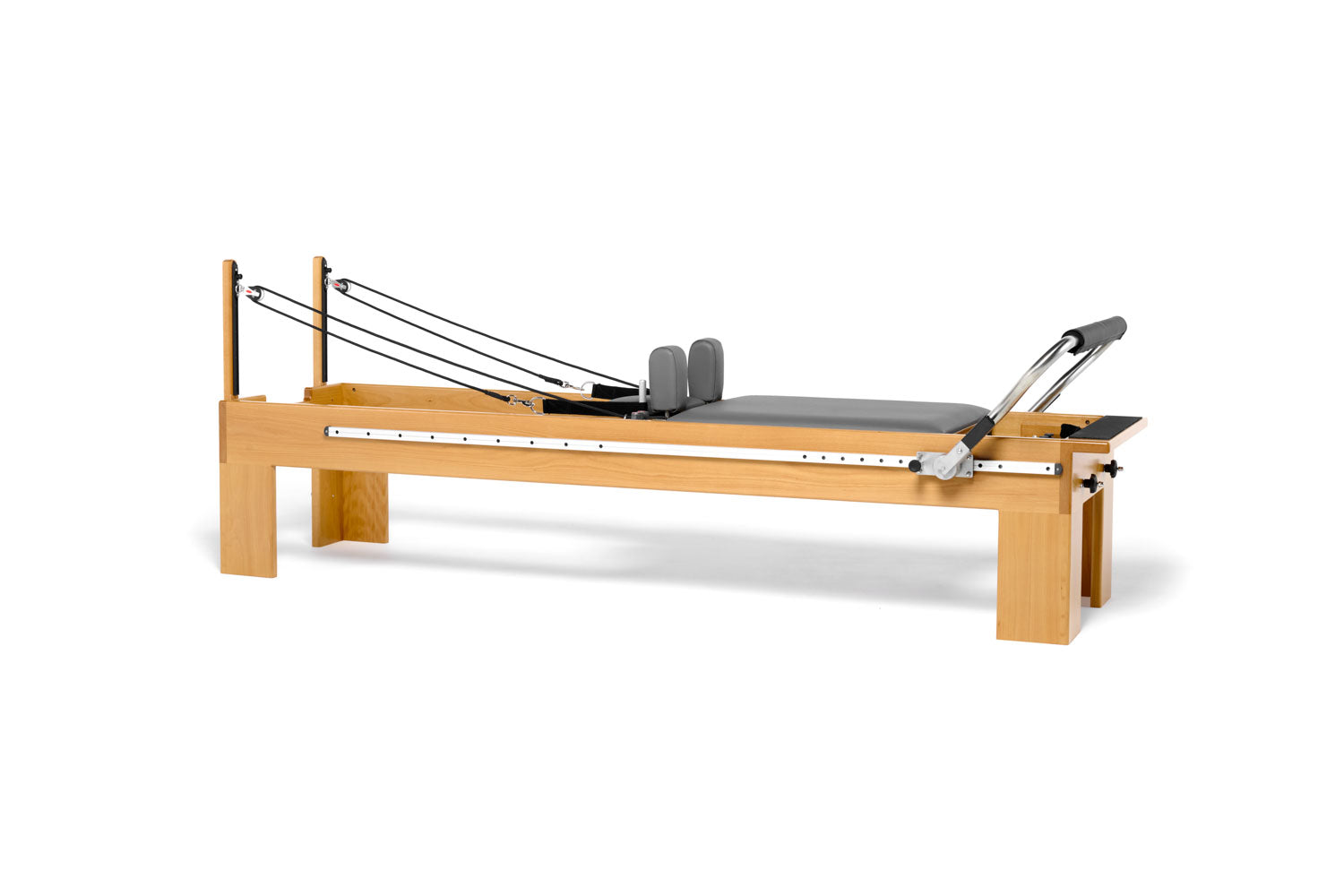


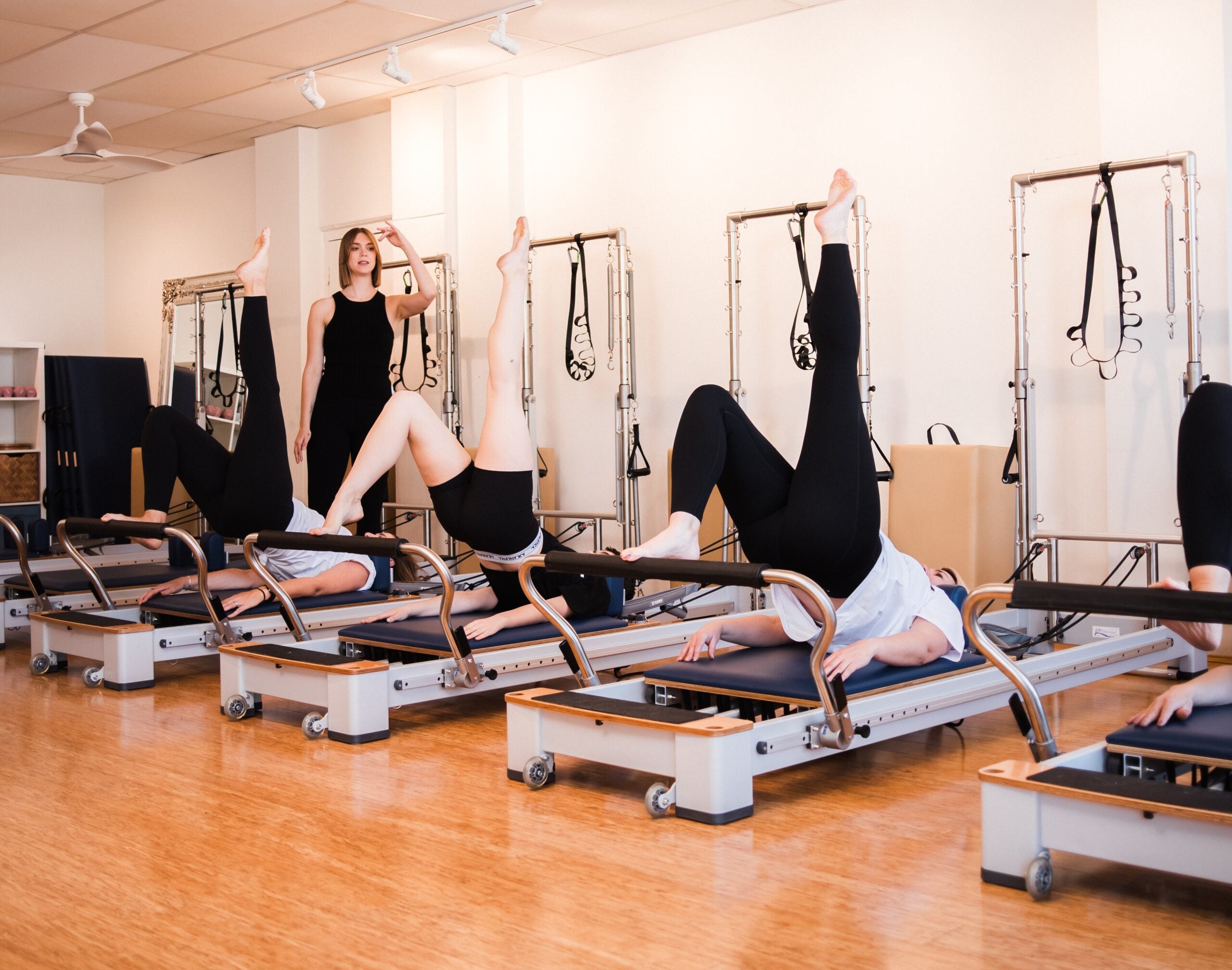
Pilates Equipment & Reformers Designed For Studios & Professionals
Our Pilates machines are safe, strong and beautiful. We care about biomechanics, ergonomics and performance. We use only quality materials.The design of our machines is the result of advice and suggestions from our many good friends throughout the Australian Pilates community. We thank them for their role in making PilatesEquip™ Pilates equipment among the best in the world.

Quality and Innovation

Australian Made Products

Customer-Centric Service

8-Year Reformer Spring Change

Integrity and Equality

Higher Client Retention
Explore Our Range of Pilates Equipment
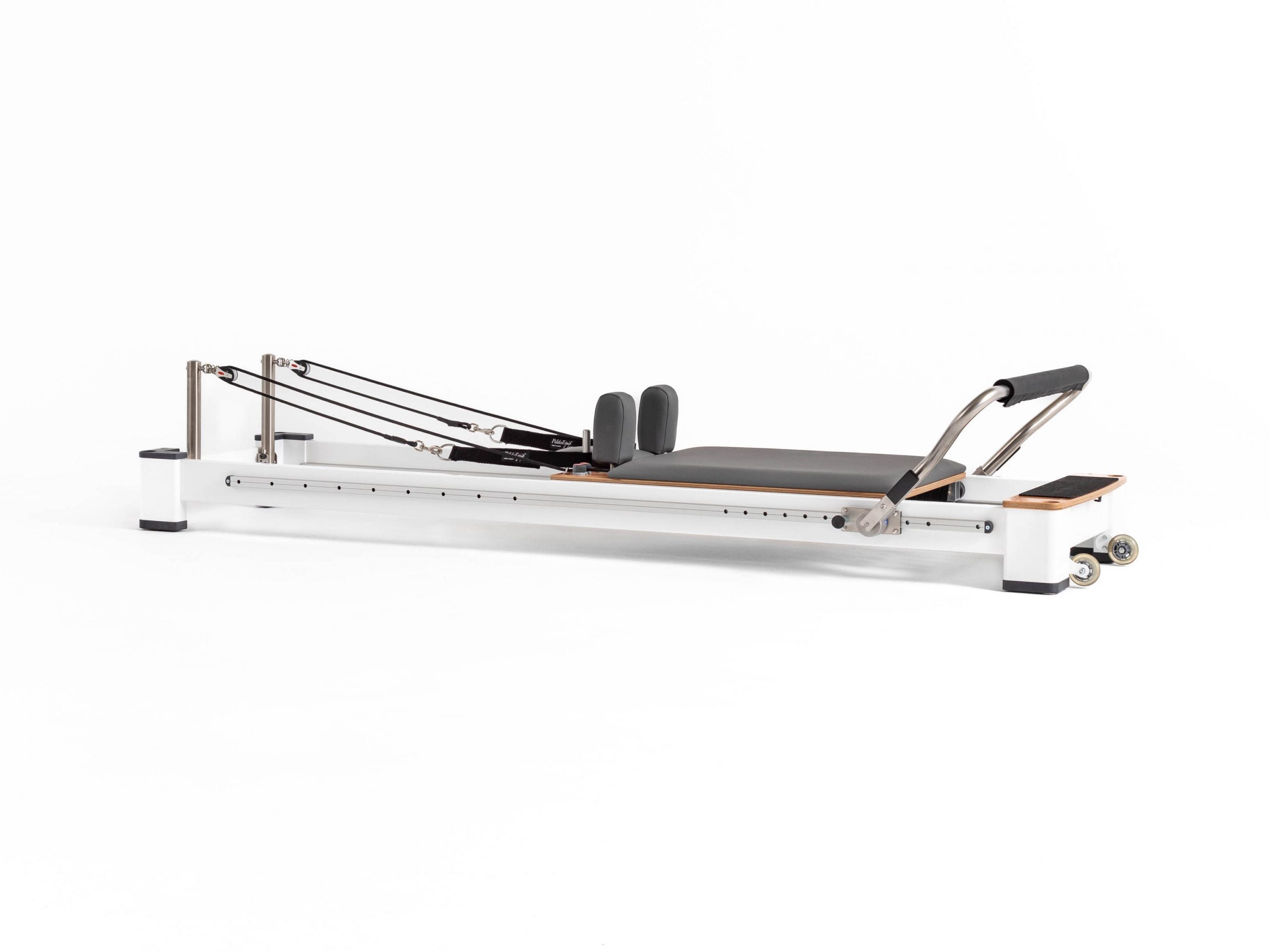
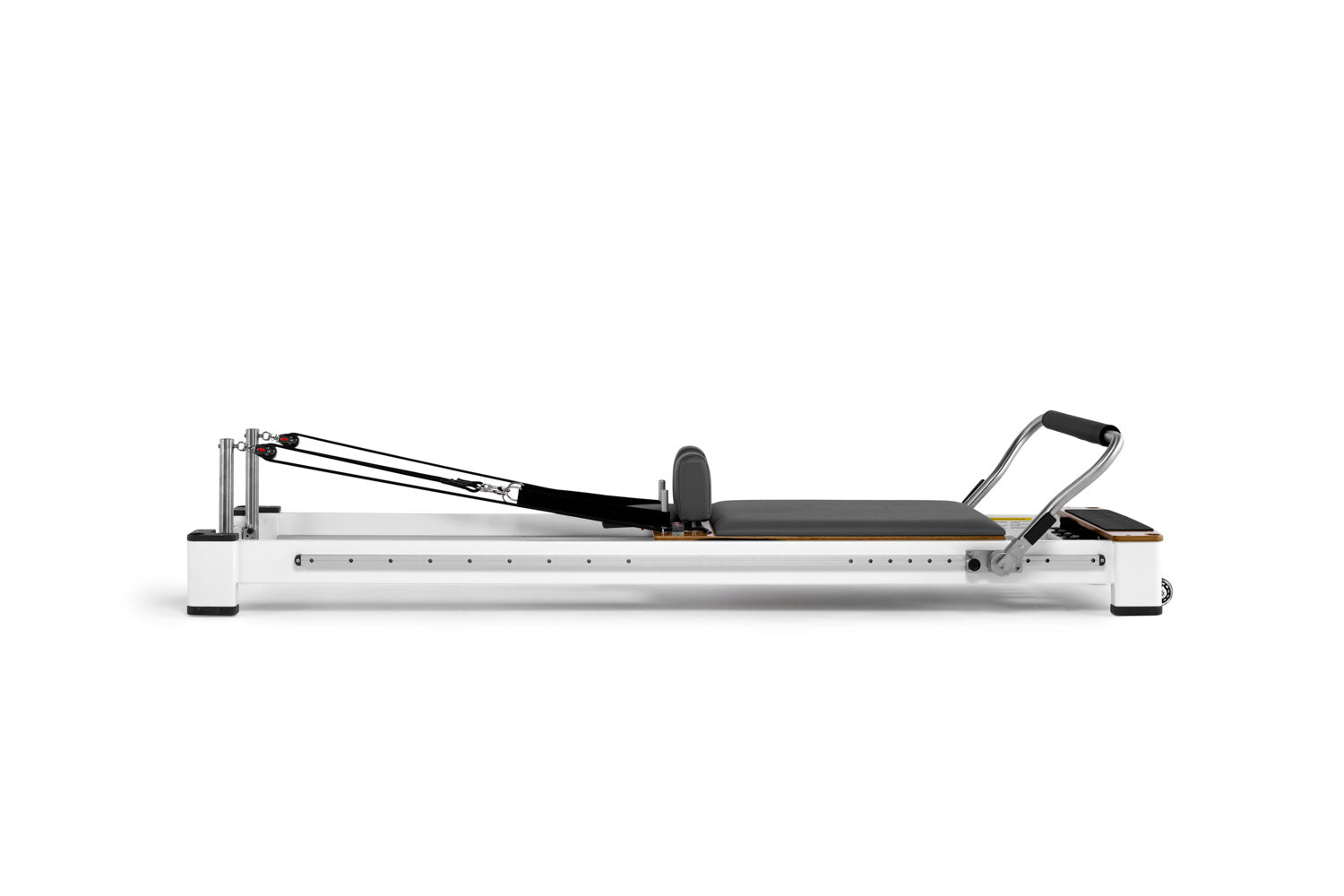
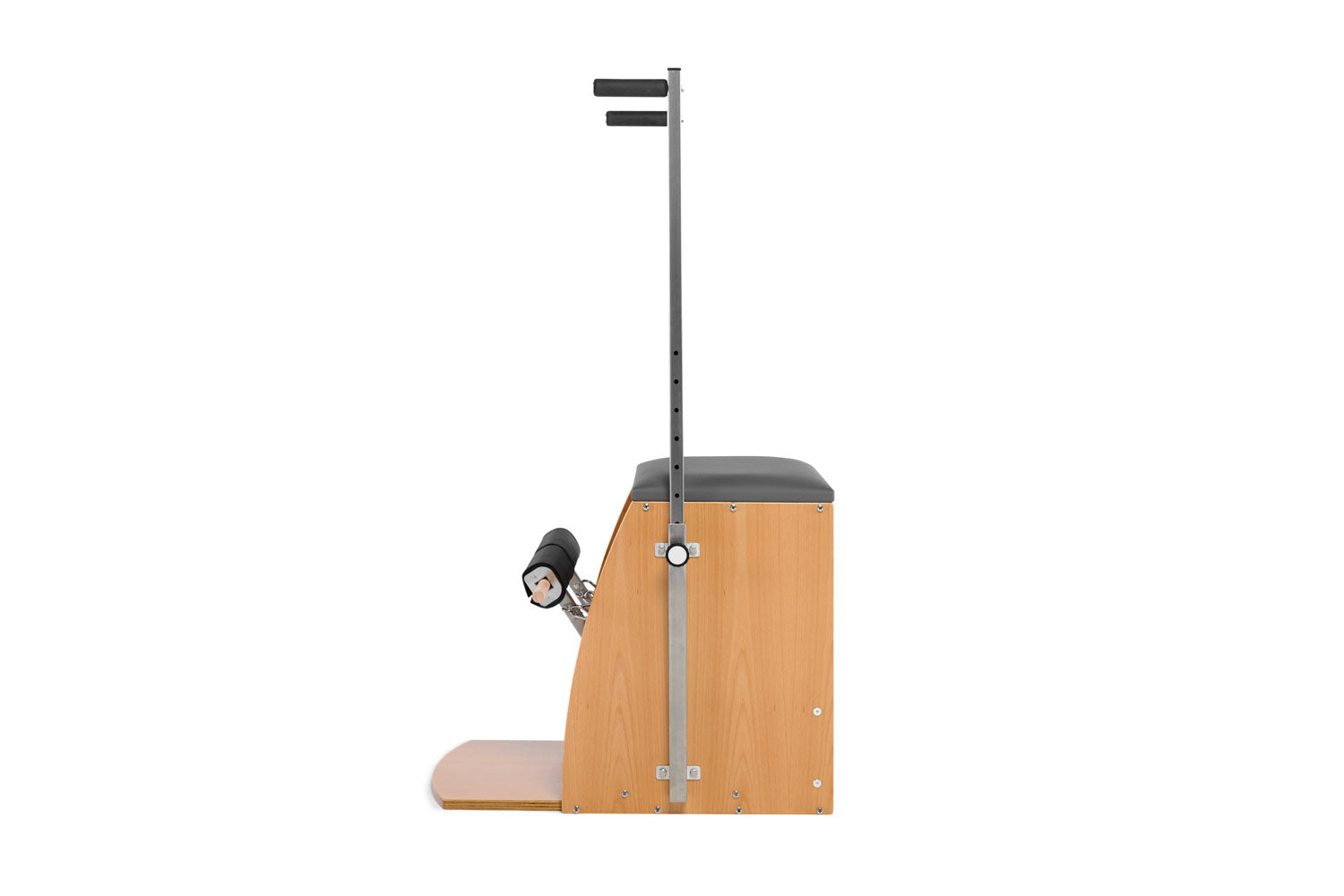
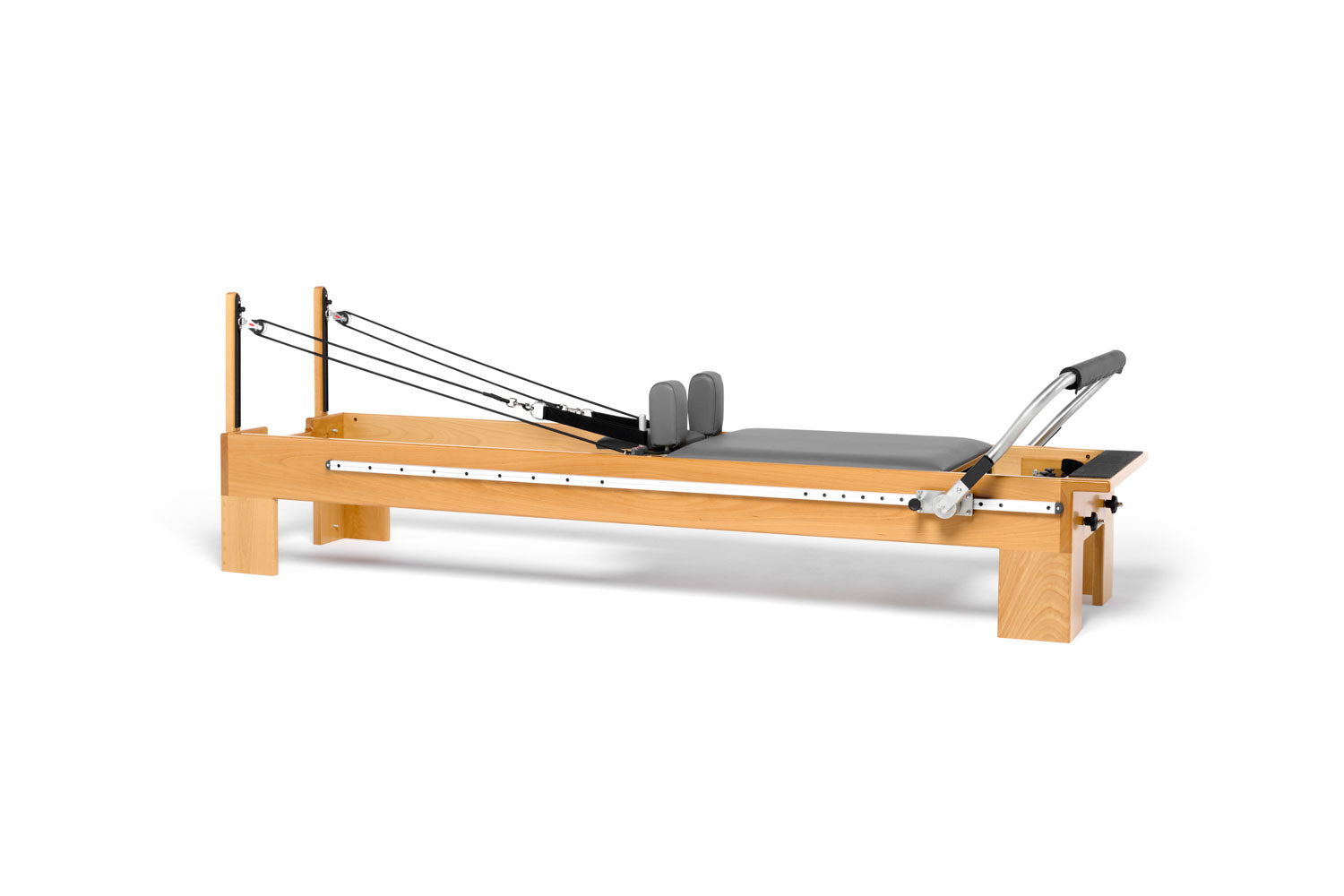
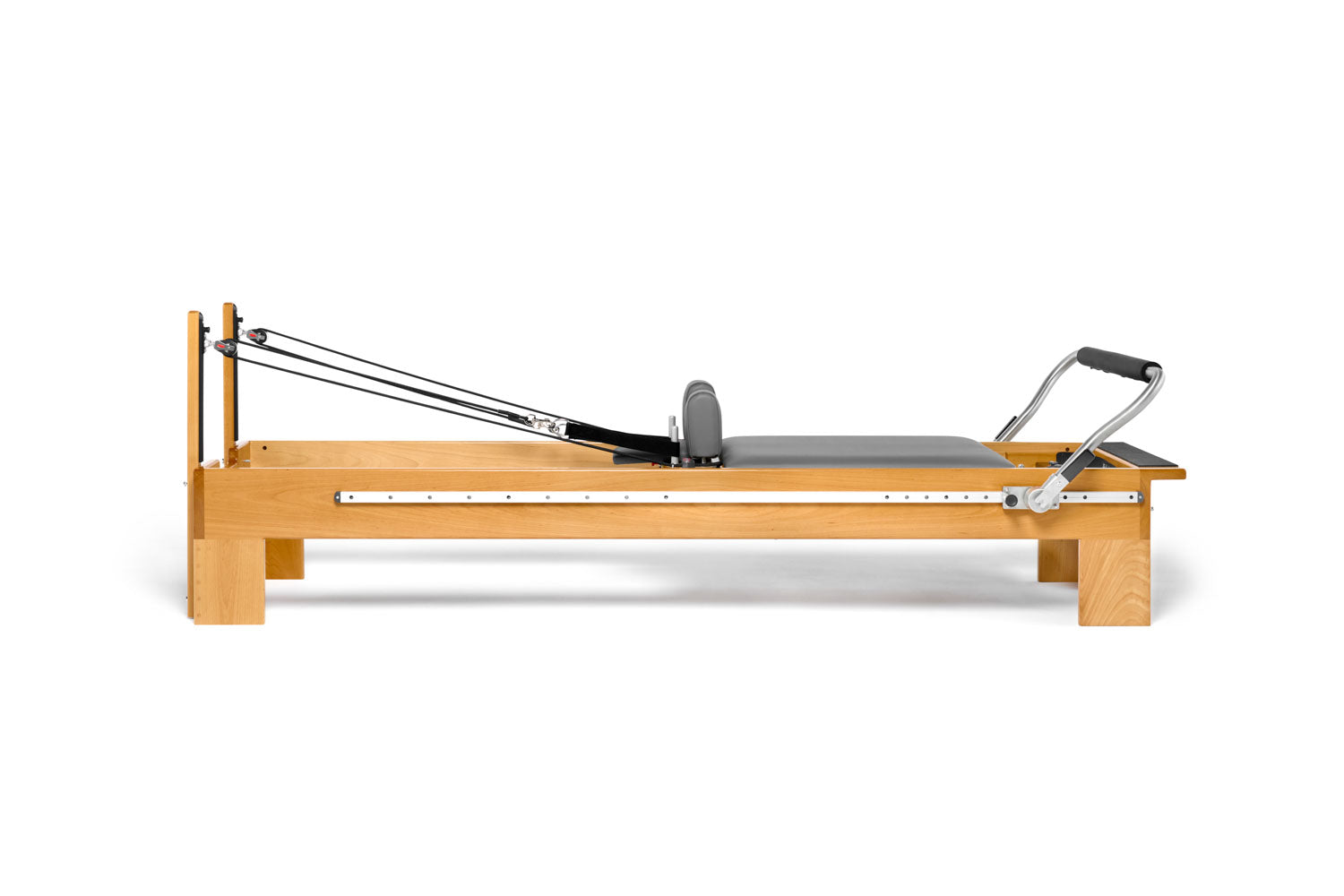
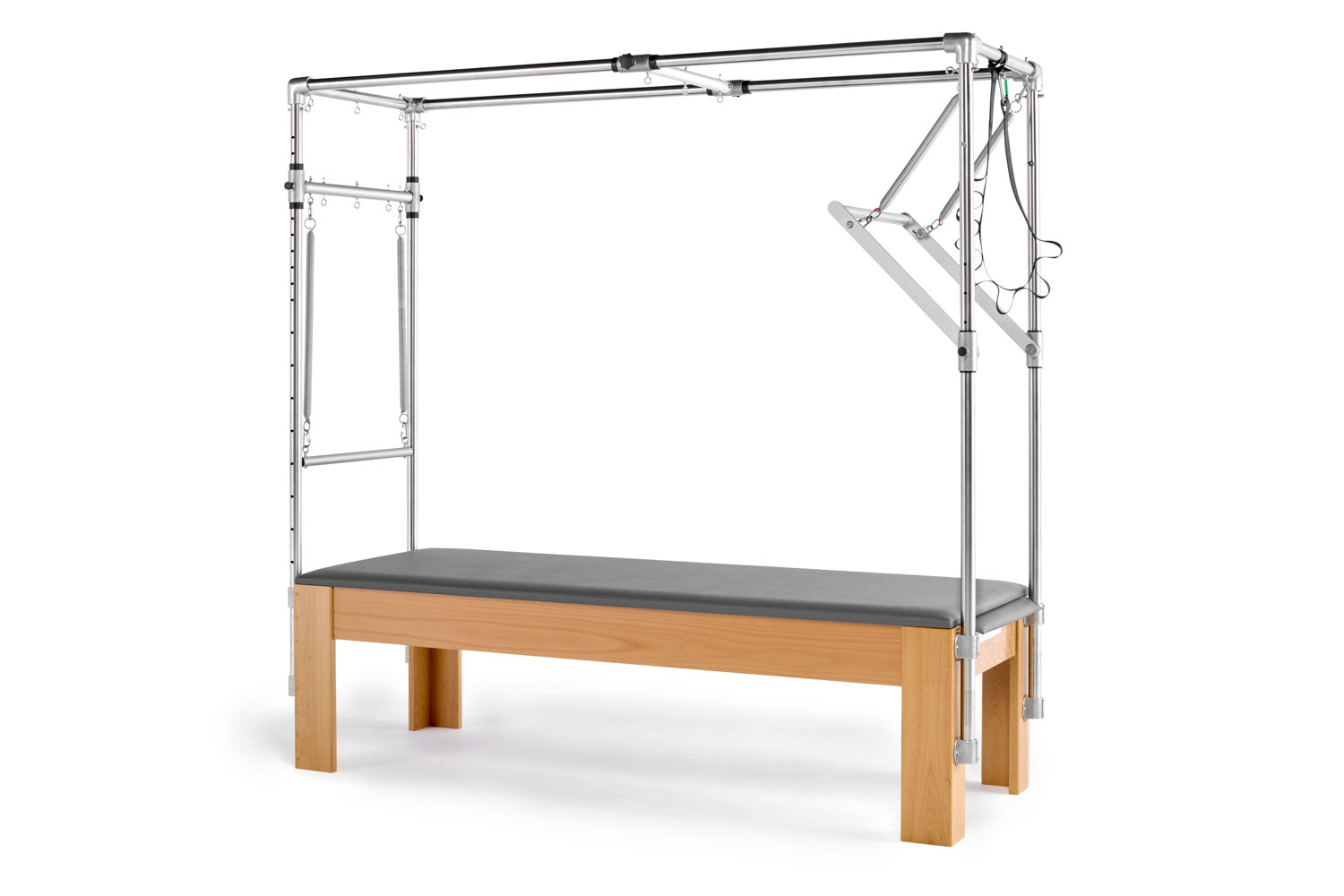
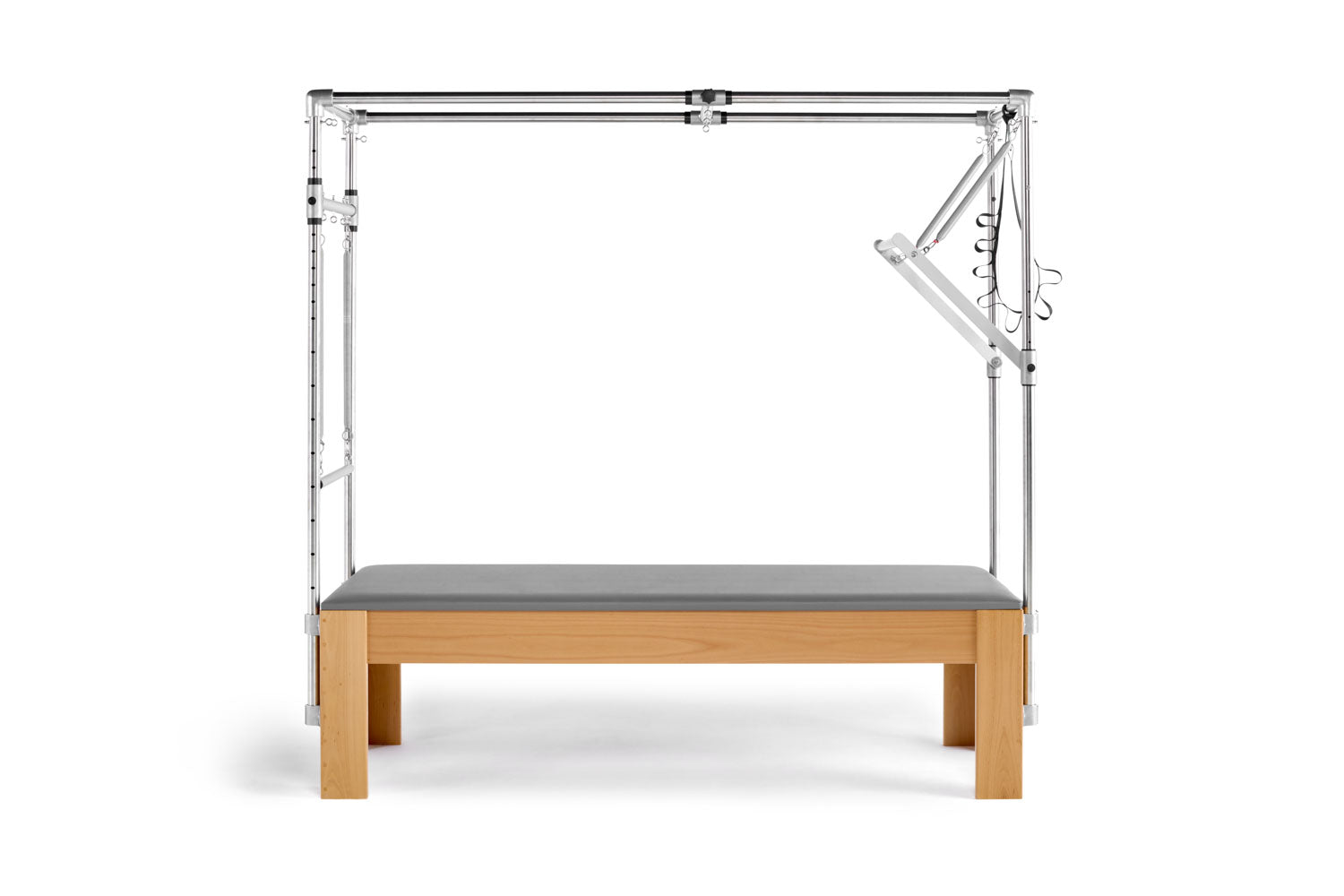
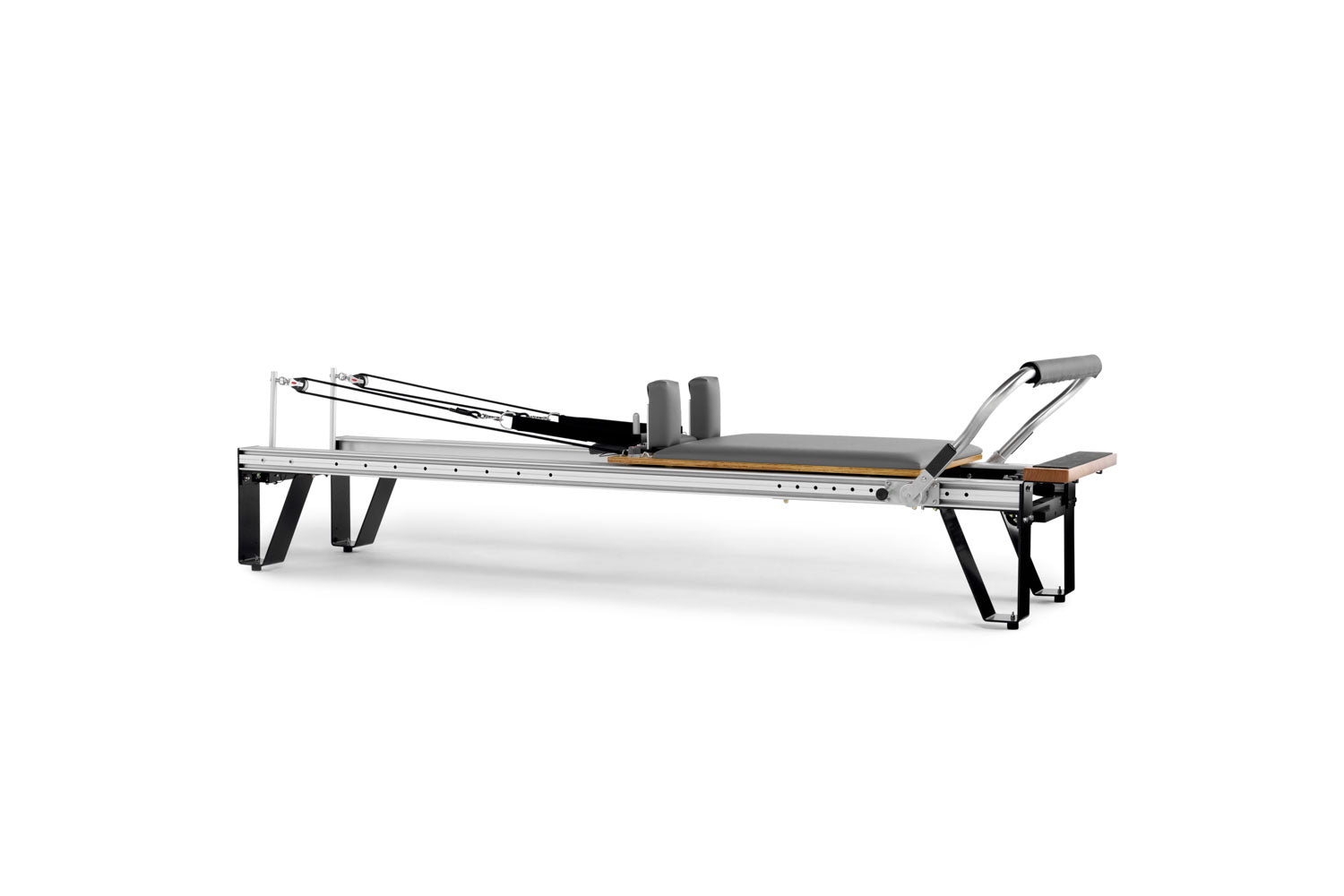
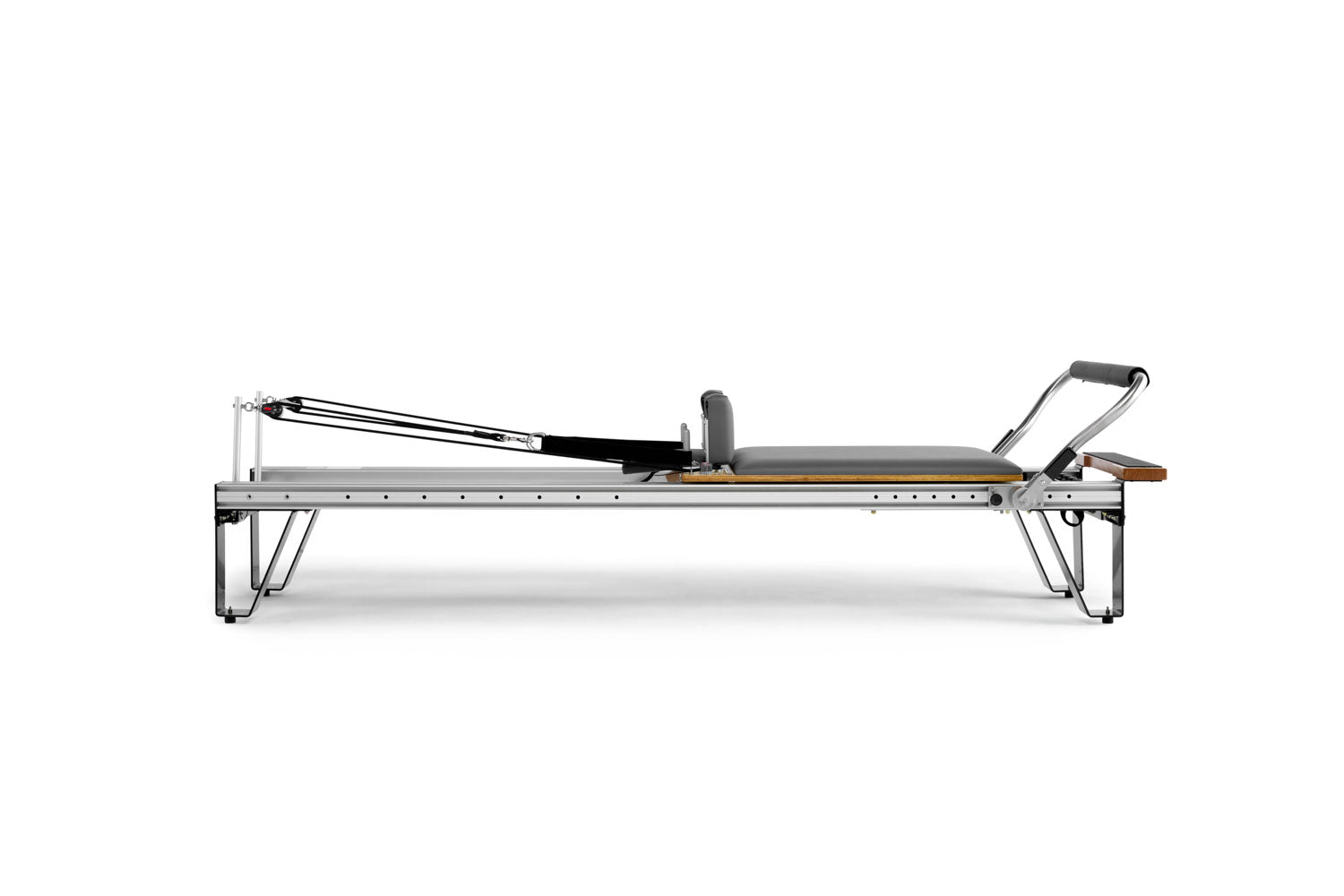
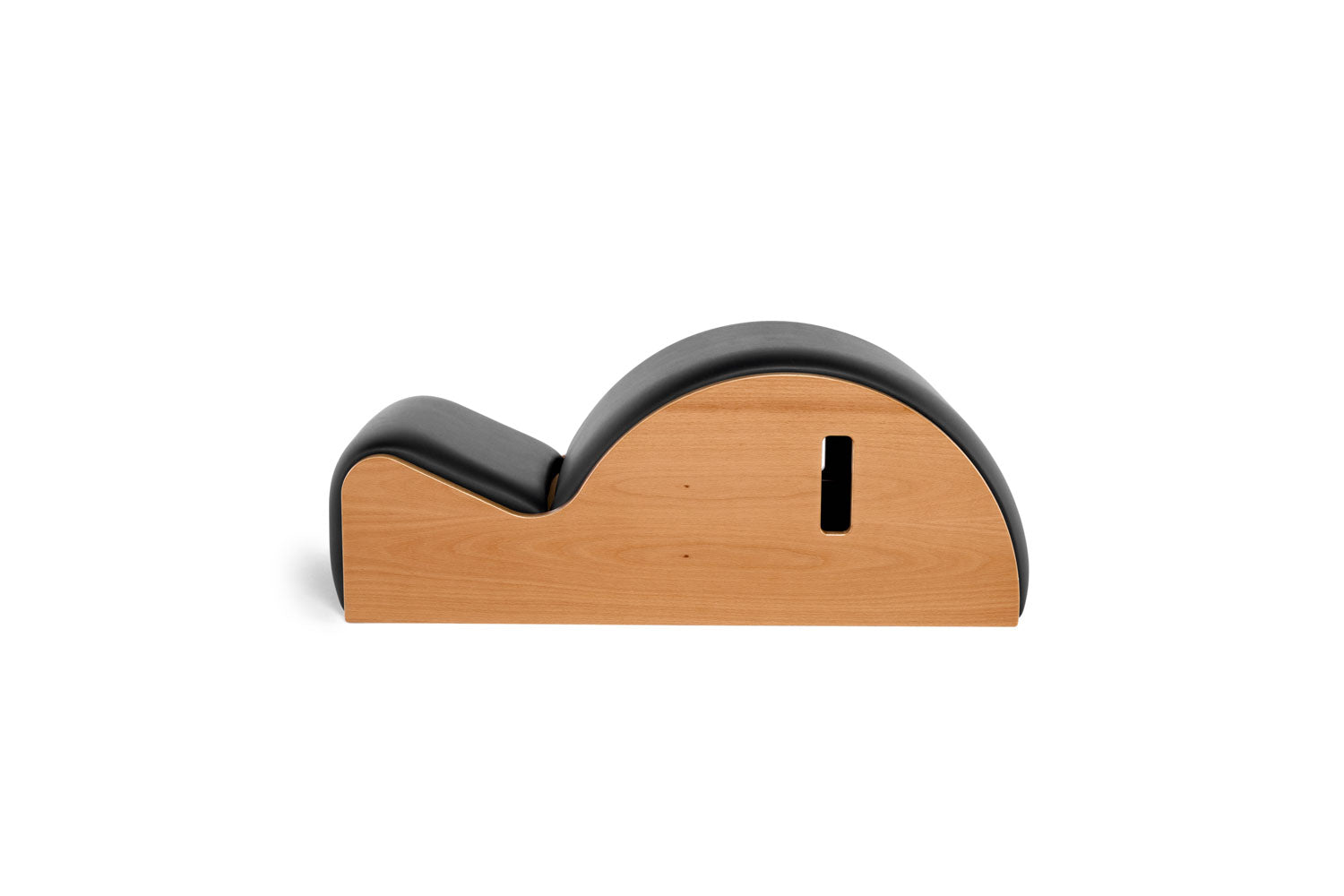
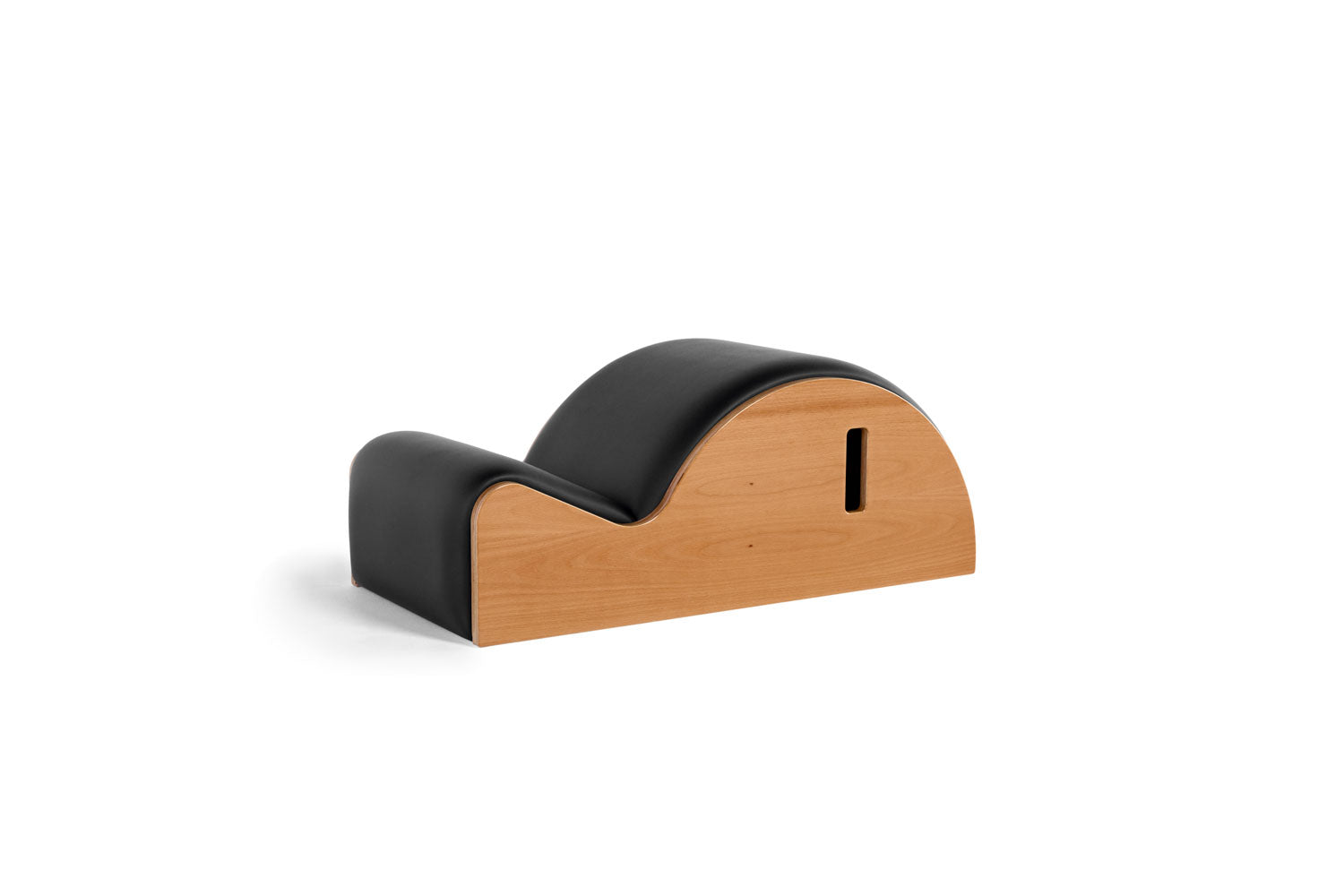
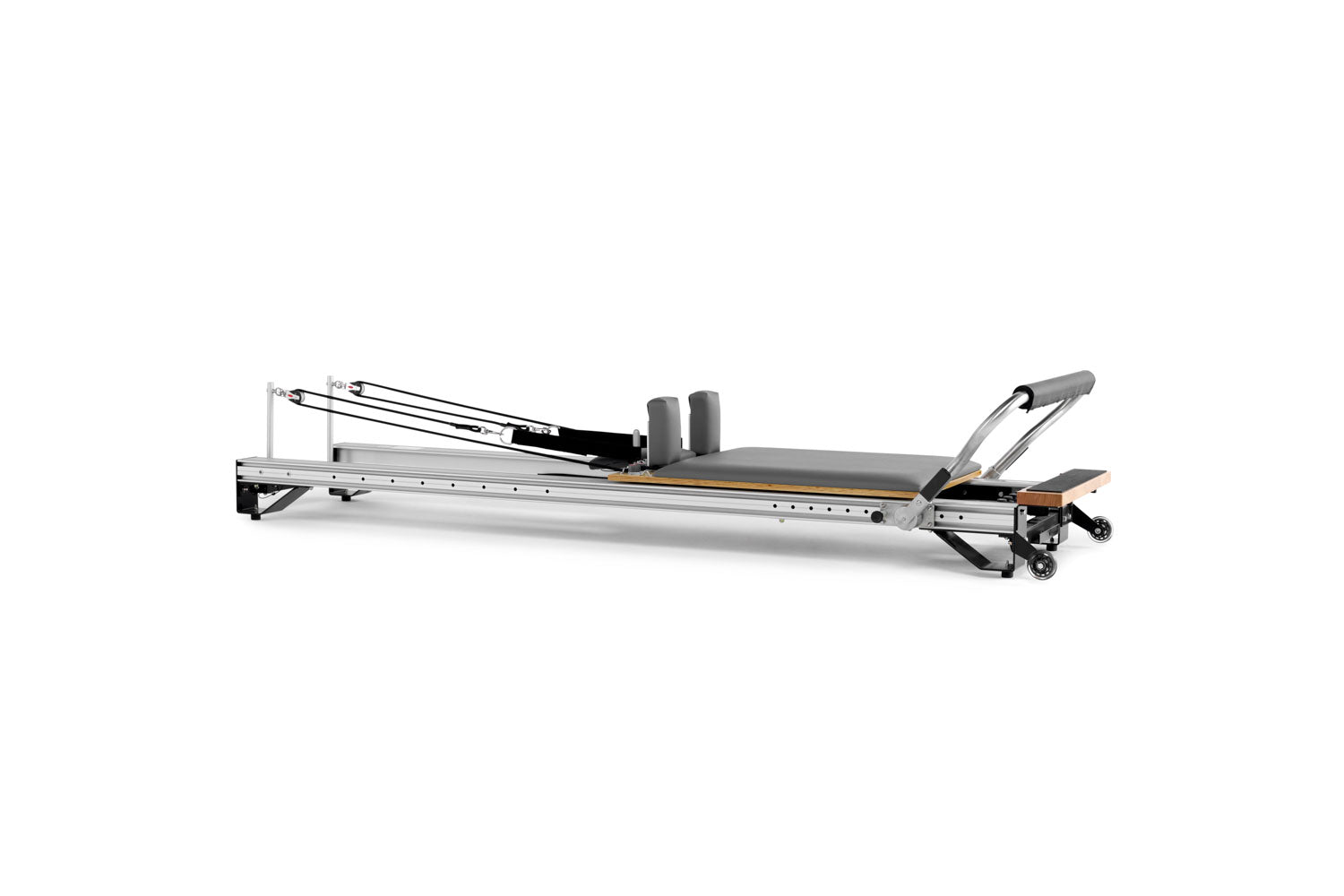
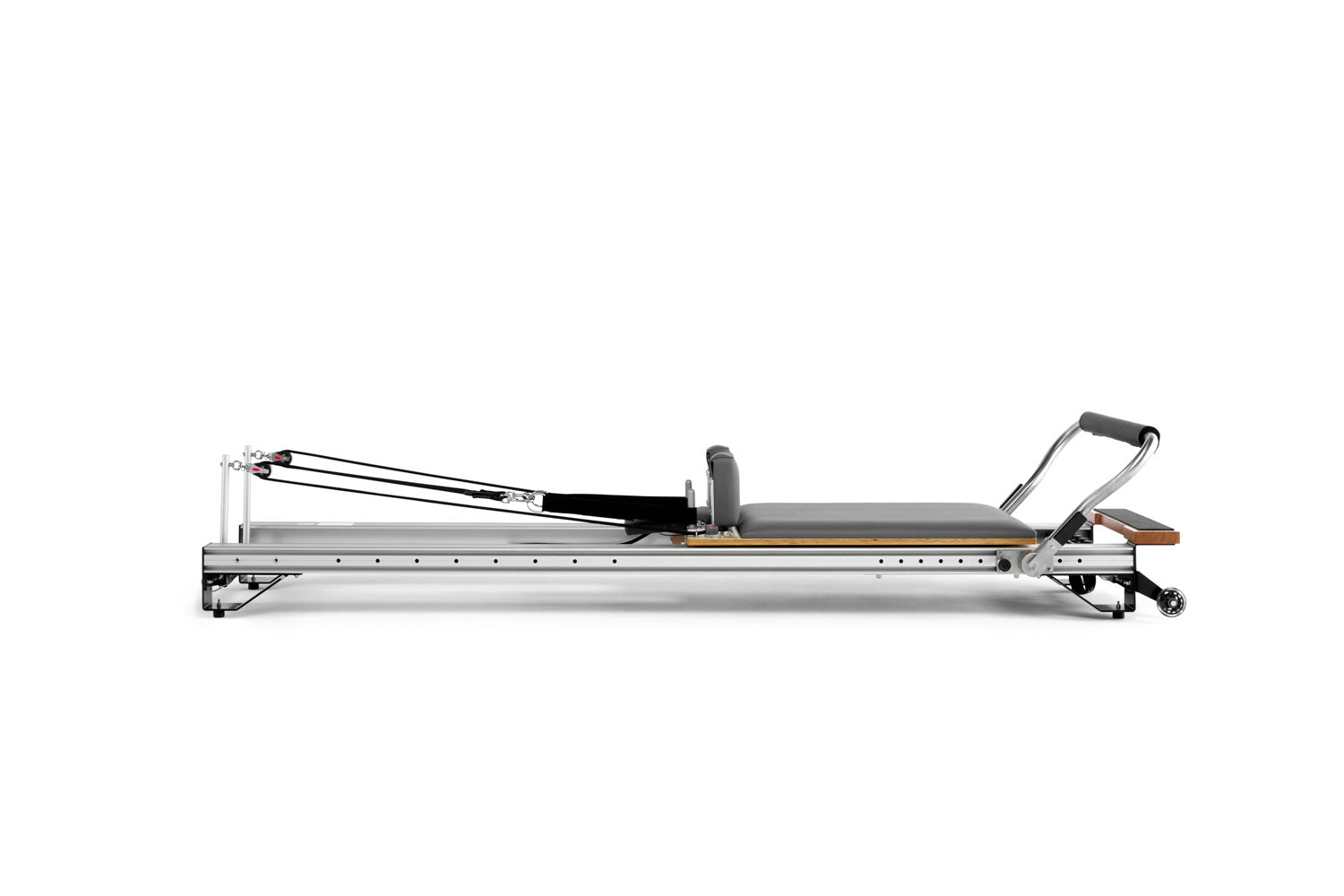
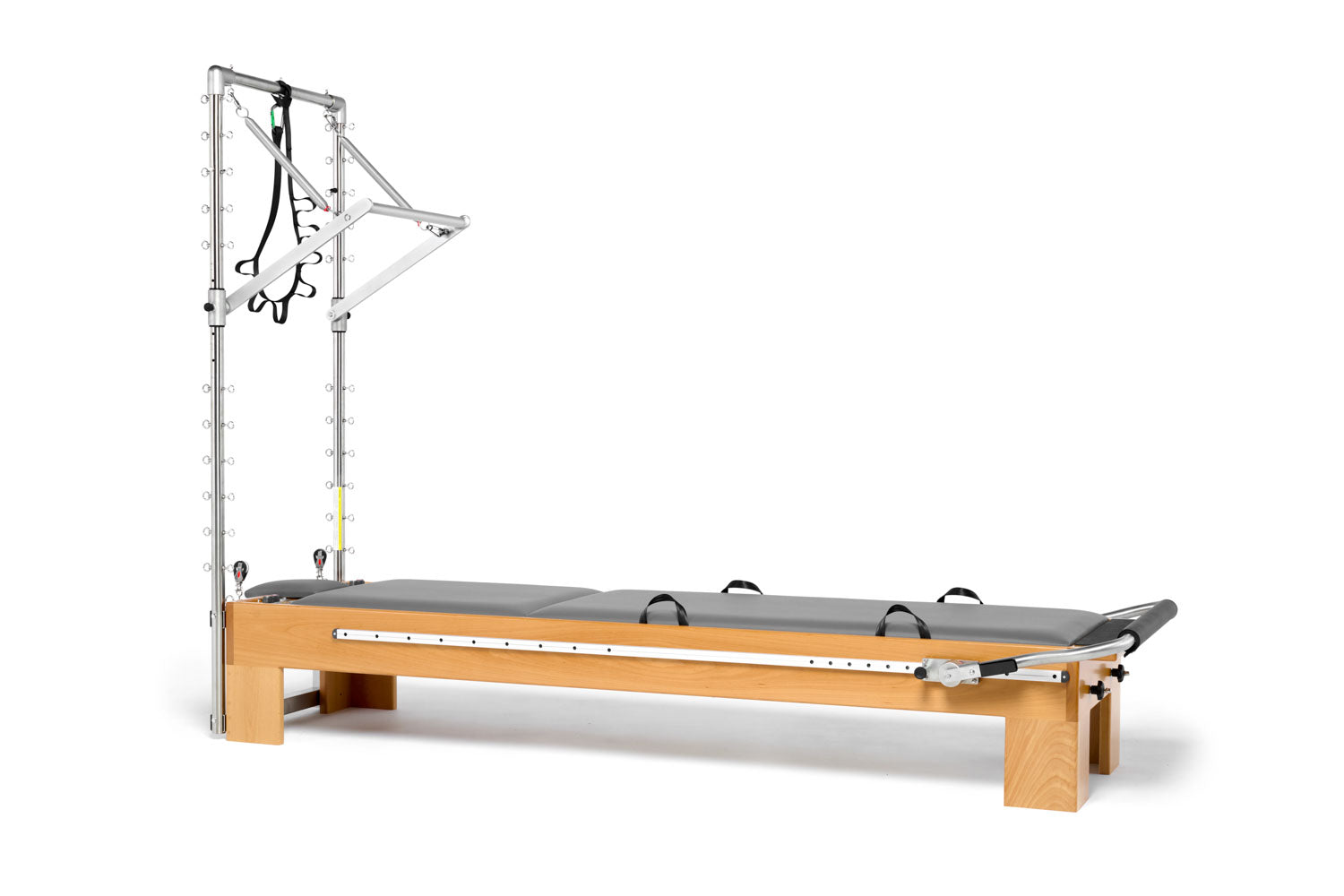
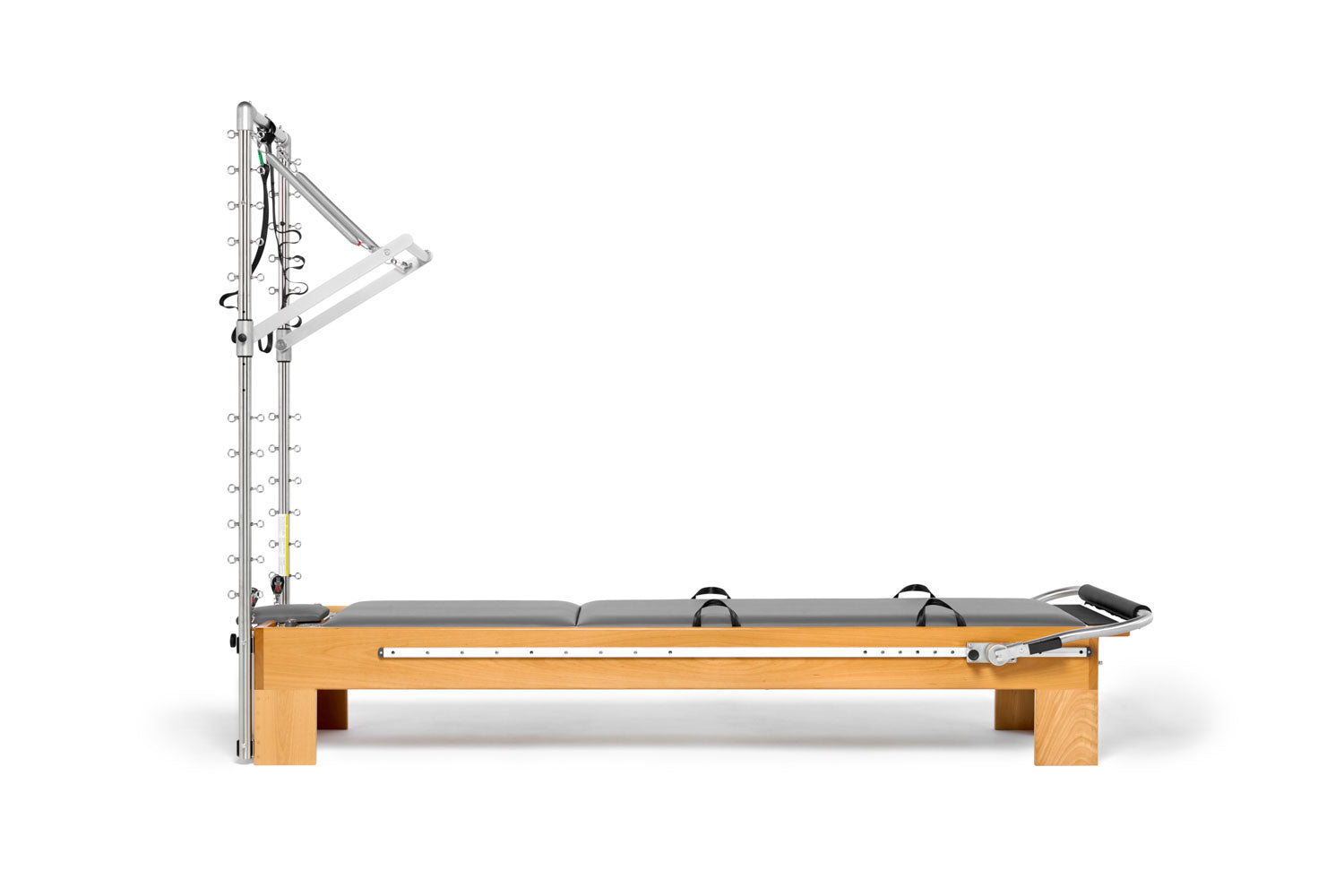
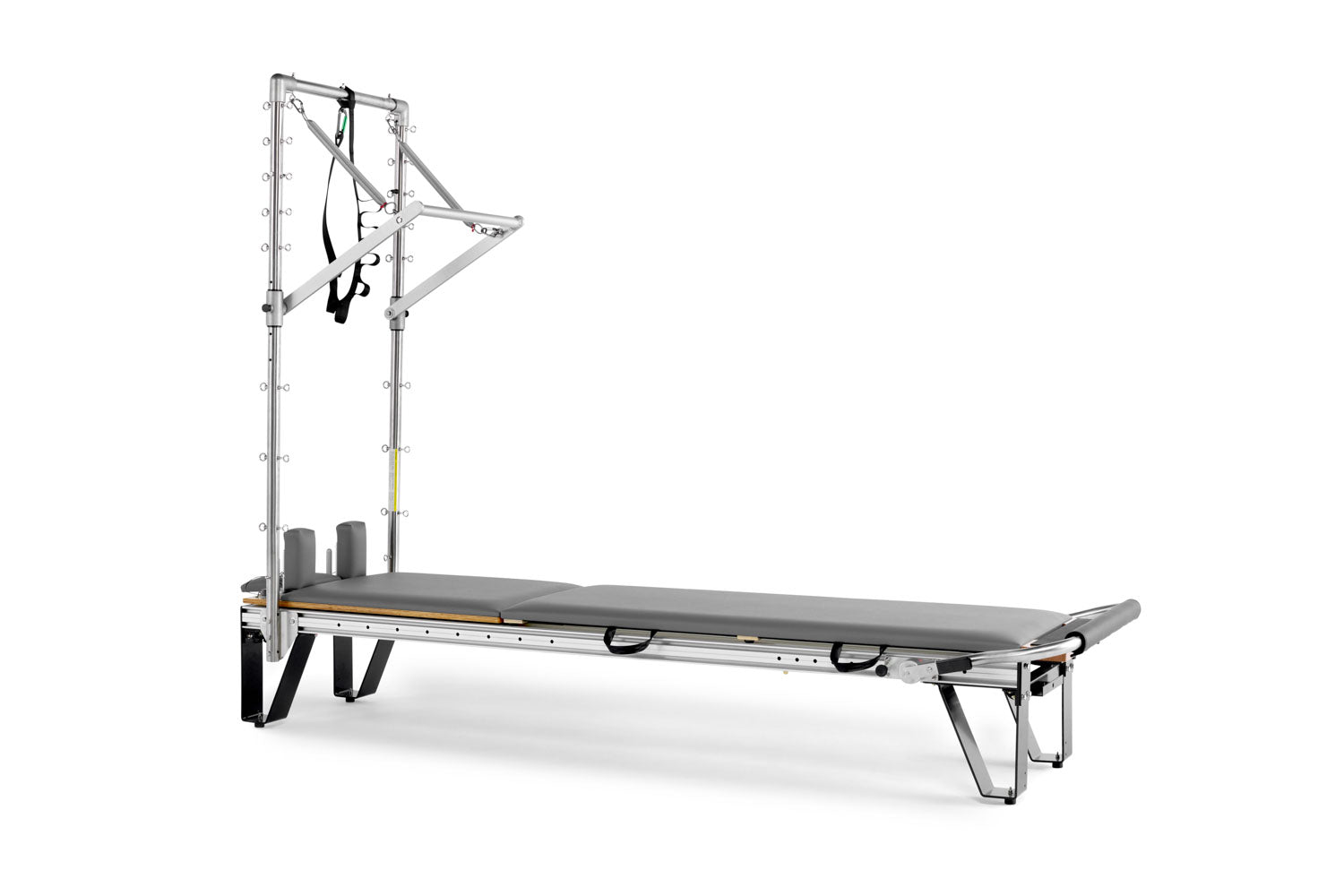
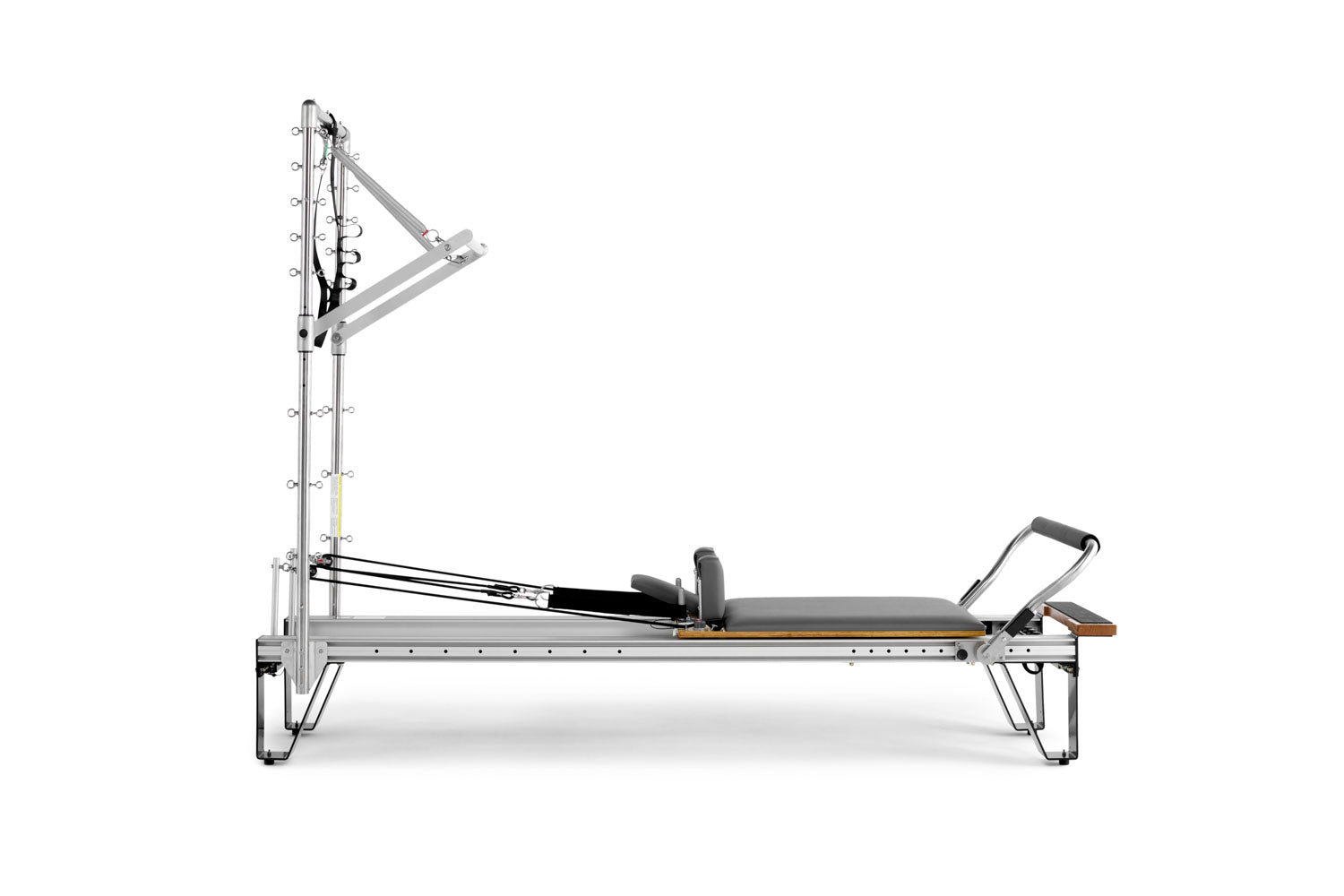
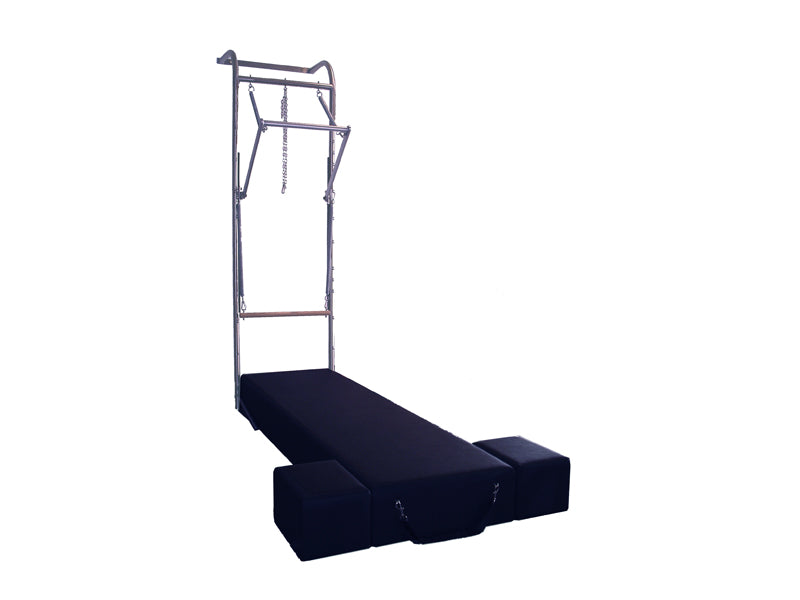
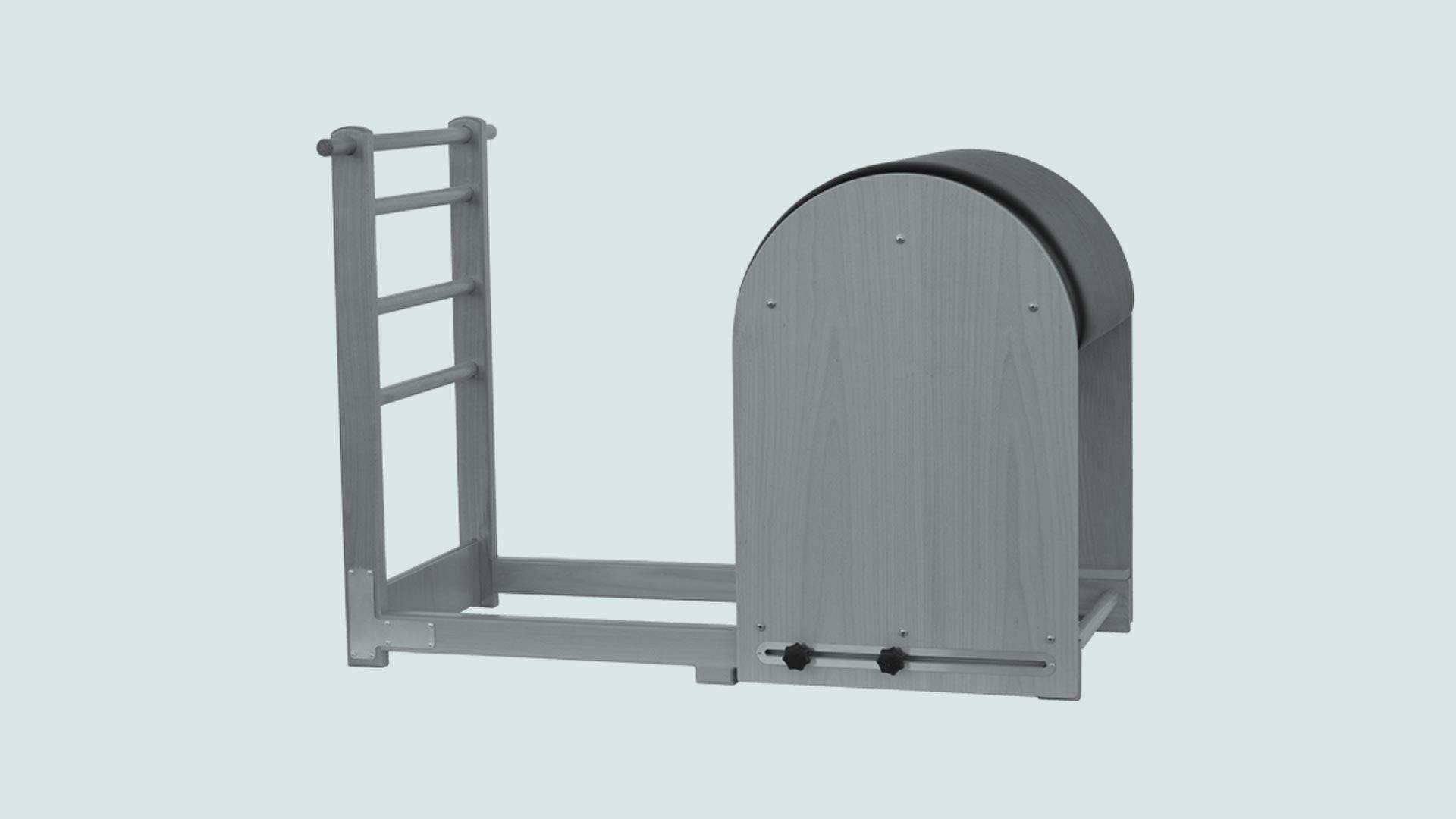
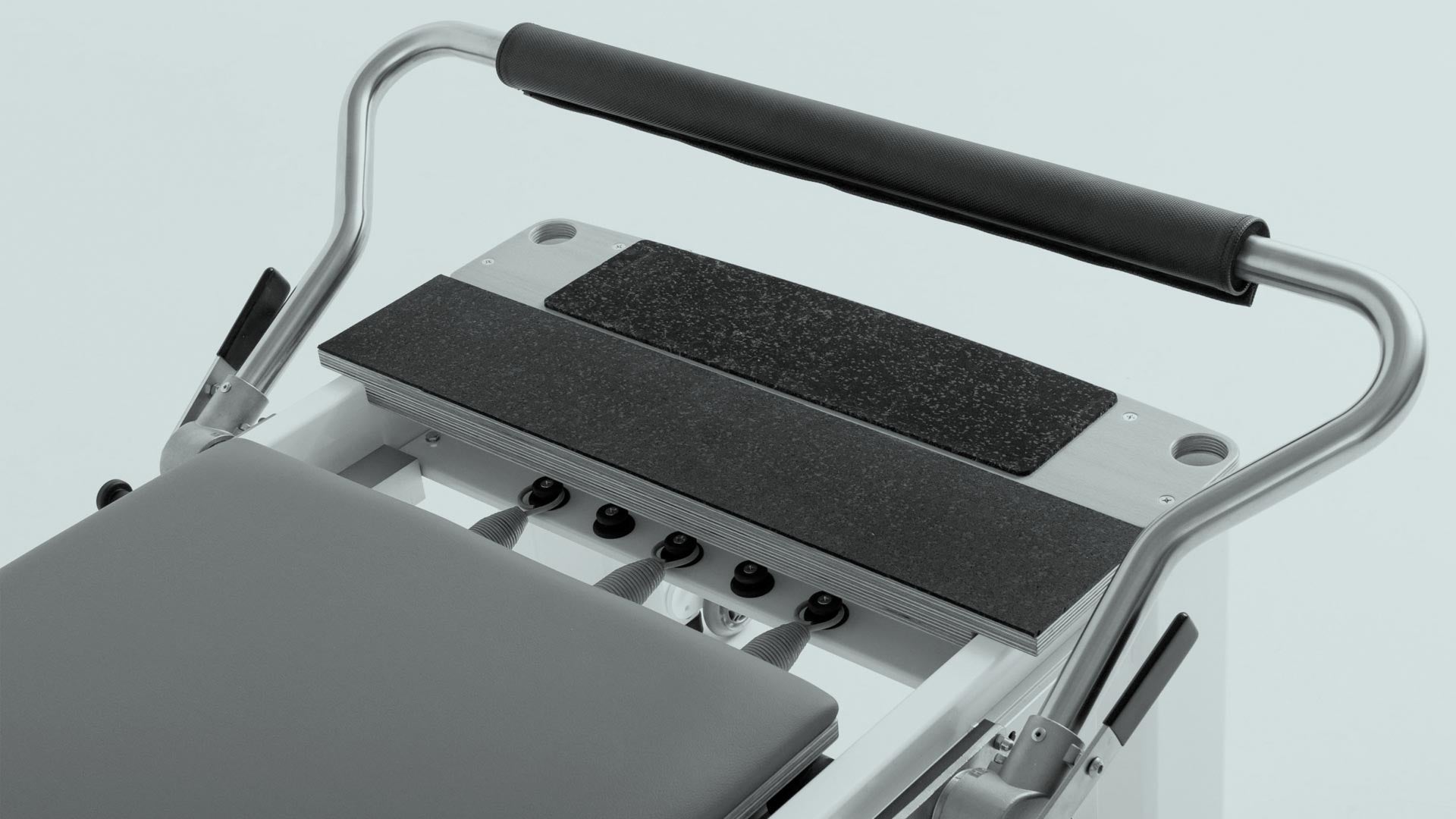
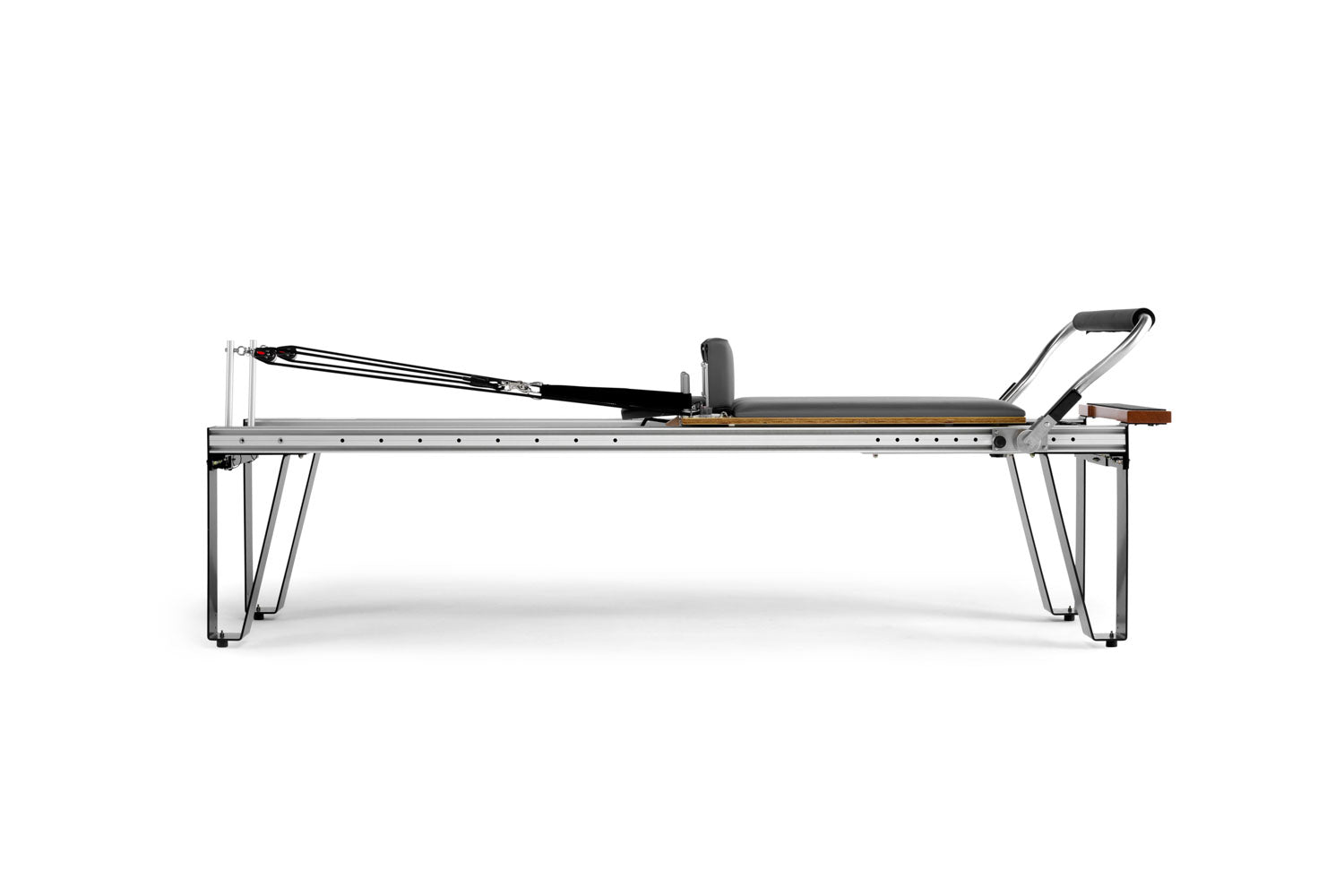
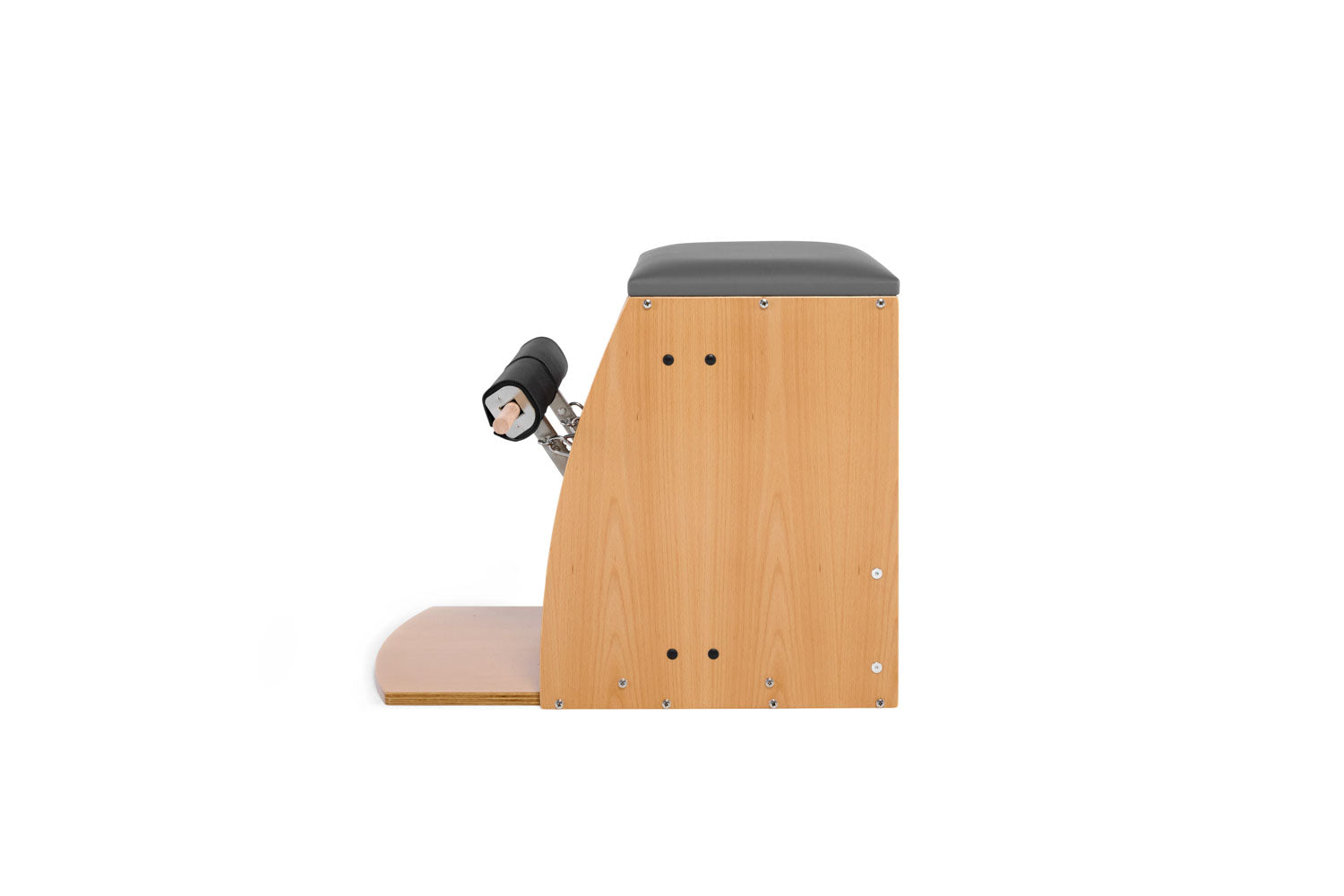
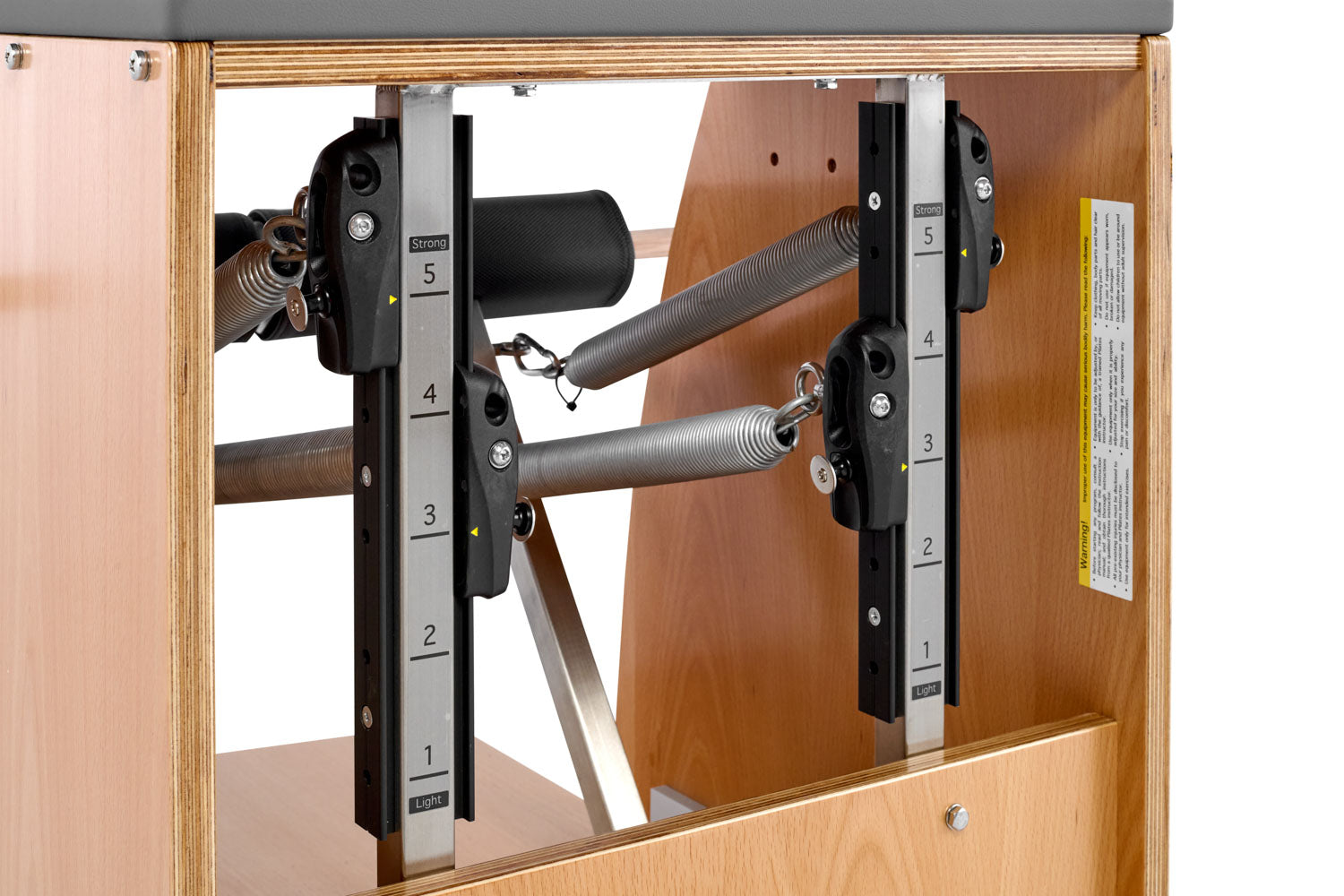
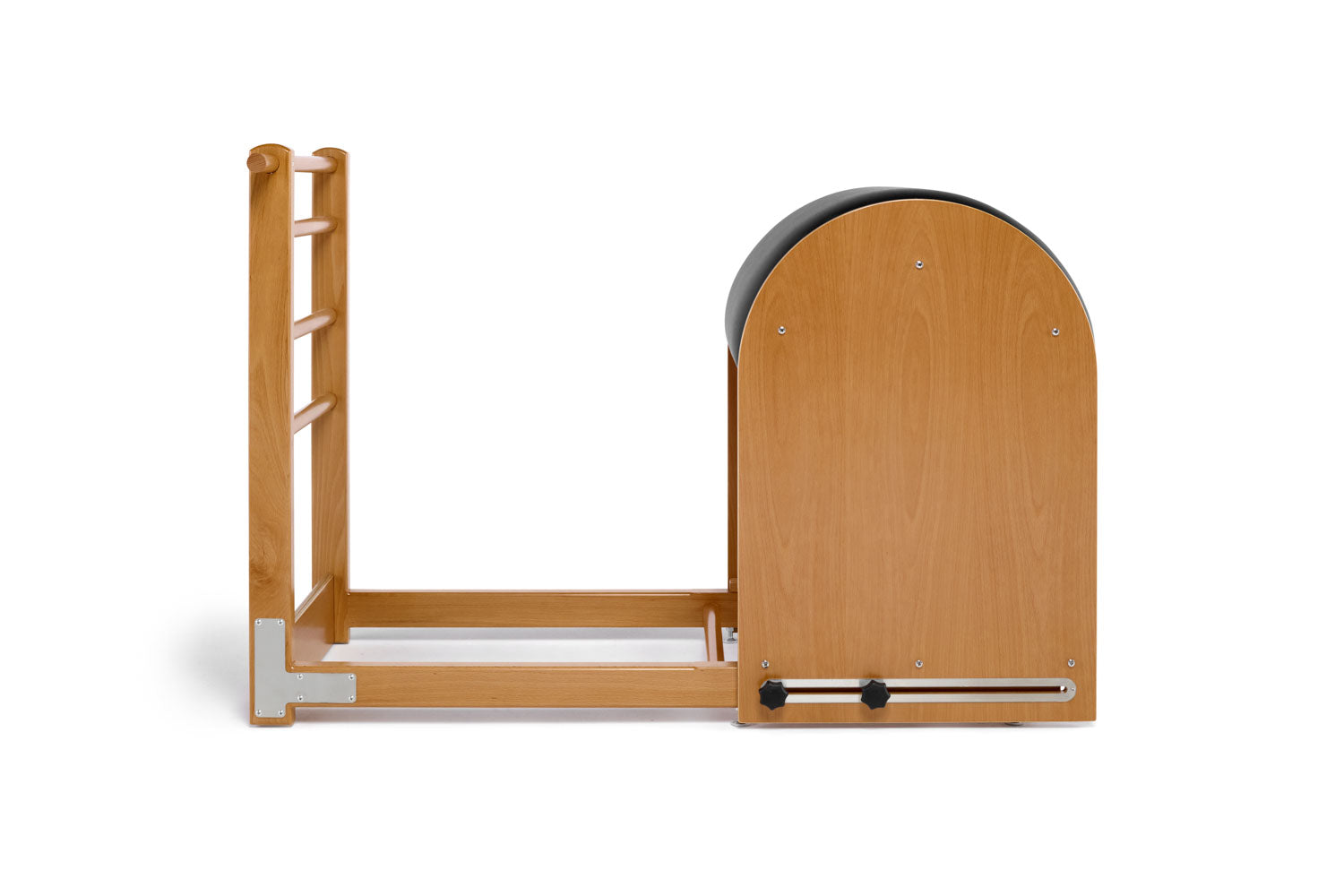
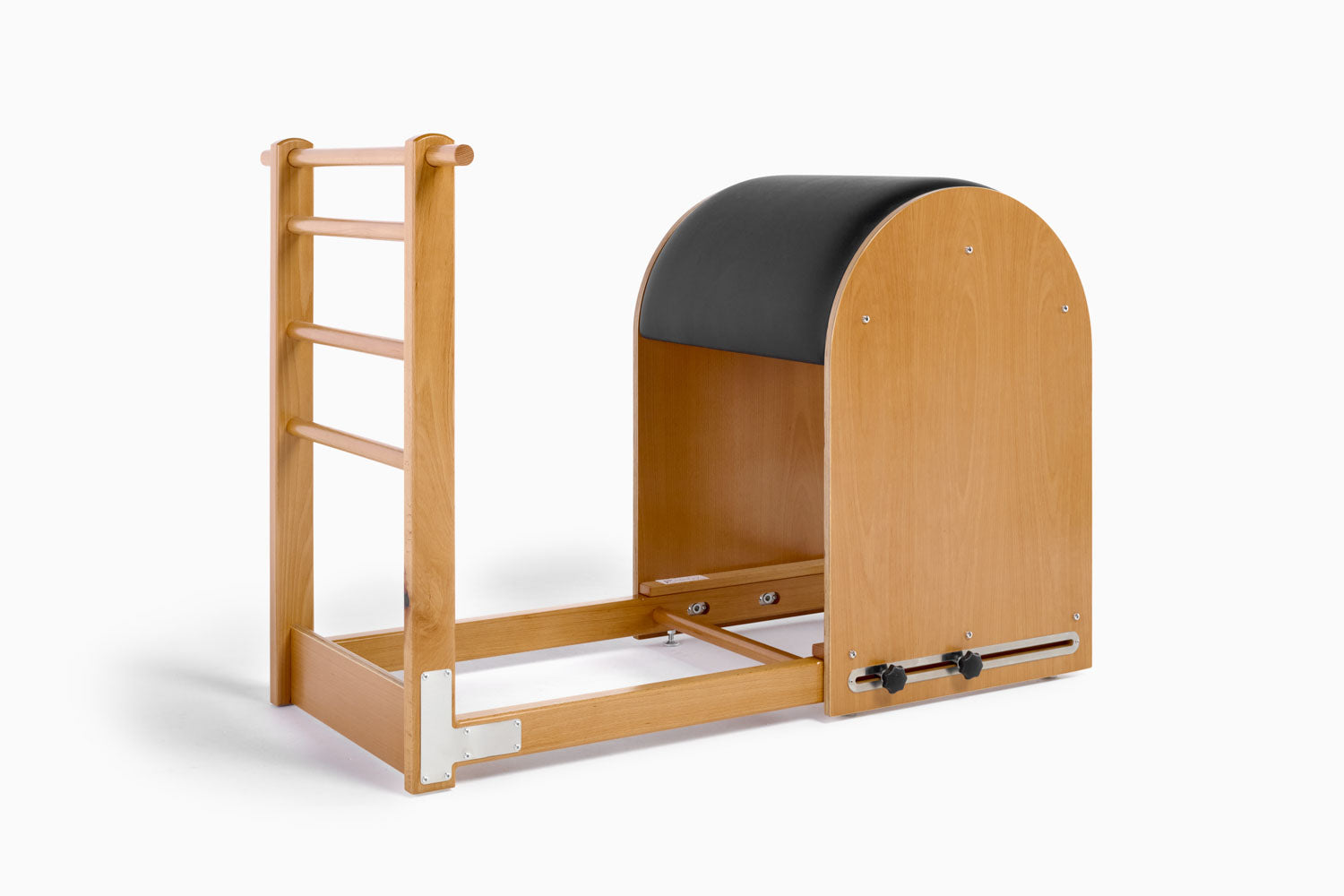
Explore our range of Pilates Reformers, Wunda Chairs, Pilates Barrels and Trapeze Tables. Built for the modern Pilates professional.
Discover why PilatesEquip™ now supplies Pilates equipment to leading studios across Australia.
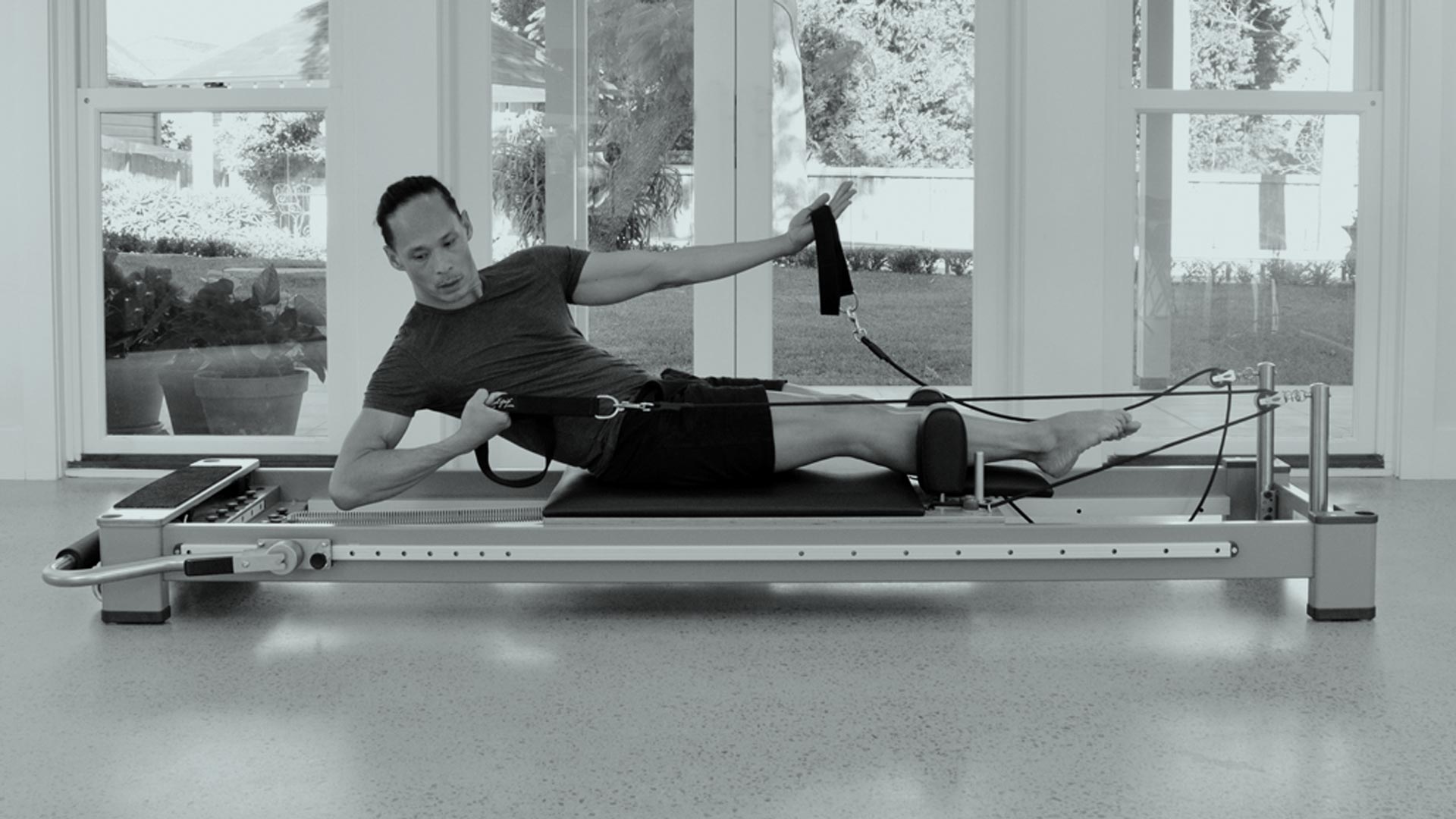
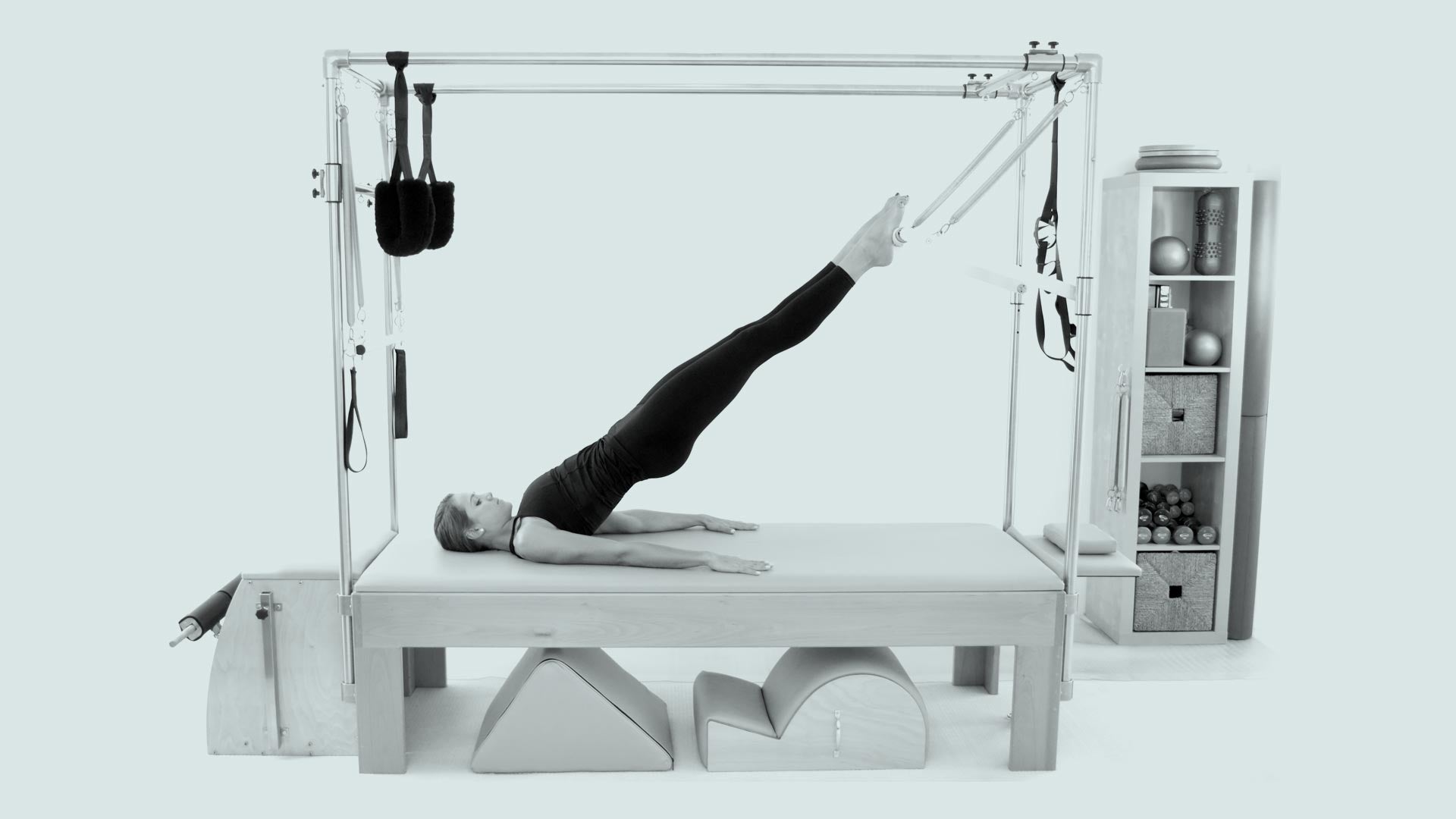
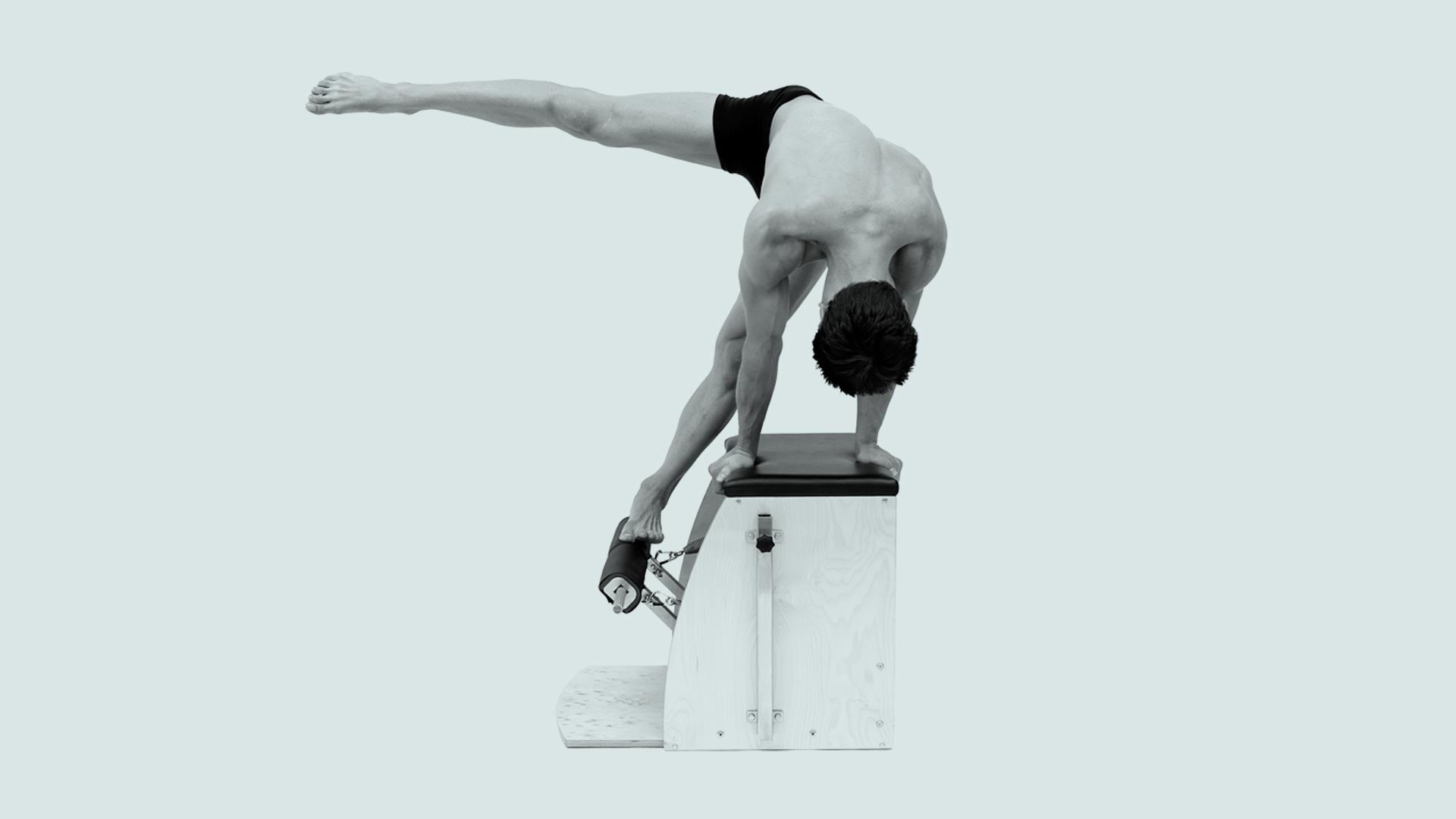
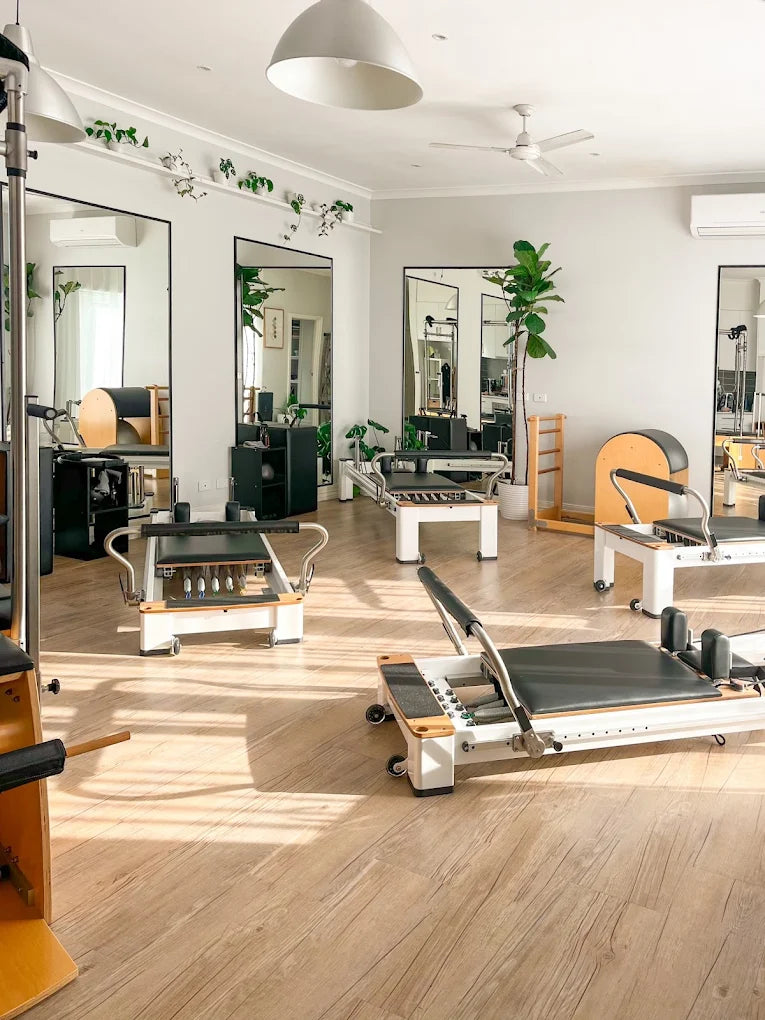
Fit Out Your Space
Our Pilates Equipment and Reformers are Trusted By Leading Brands
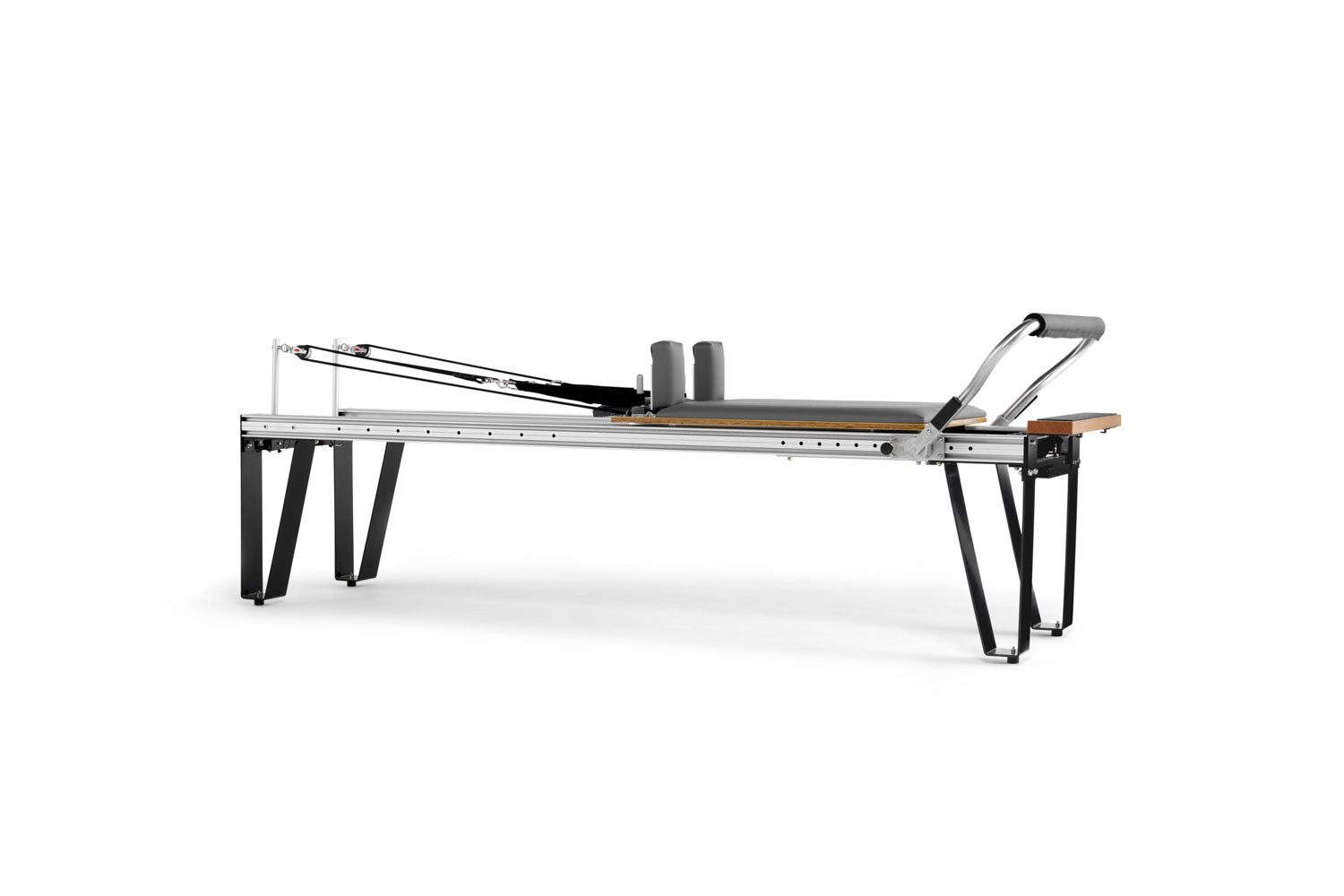
Explore our range of equipment. From Pilates Reformers and Trapeze Towers to Wunda Chairs and Accessories, our Australian-made equipment is trusted and highly regarding by industry-leading facilities.







Accessorise Your Studio




Hear From Our Clients
Pilates Equipment for any Space
At PilatesEquip, we specialise in high-quality Pilates reformers and professional-grade studio equipment designed to support strength, alignment, flexibility and functional movement.
Whether you're setting up a boutique studio, upgrading your clinic, or building a home Pilates space, our range includes durable commercial reformers, compact home reformers and essential Pilates accessories.
We proudly work with instructors, physios and passionate Pilates lovers across Australia to help them find the right gear for their space, practice, and goals.
Reformer Pilates vs Mat Pilates: Key Differences for Studio Owners
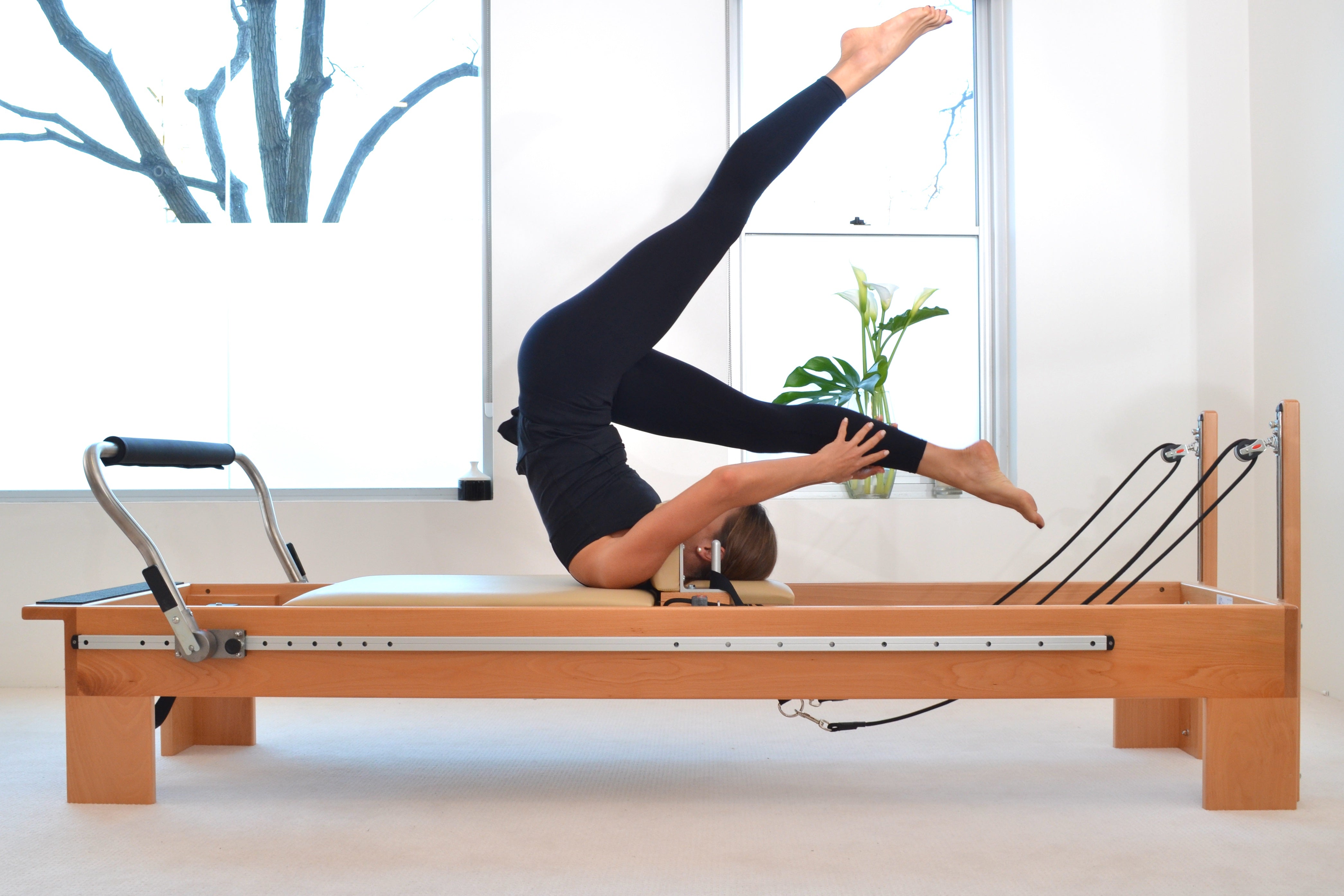
Reformer or mat? It is usually the first thing people new to Pilates want to know before booking a class, and studio owners face their own version of it when planning a timetable or fit-out. Both build core strength, control and mobility. Where they differ is equipment, resistance, how classes run and what each costs to deliver. This guide compares reformer Pilates vs mat Pilates through the questions clients bring to the front desk, from which is harder to where to start. It then looks at what the choice means for studio owners deciding what to offer and what to invest in. What Is Mat Pilates? Mat Pilates is the original, floor-based form of Pilates. Classes run on a mat using bodyweight, sometimes with small props such as a ring, ball or band. Exercises get harder by changing leverage, range or tempo, rather than by adding load. Reformer Pilates uses a reformer: a sliding carriage on a frame, with springs for resistance, plus straps and a footbar. Changing the springs makes the same exercise lighter or heavier, and the carriage lets clients work lying, seated, kneeling, standing and side-lying. The Difference Between Mat Pilates and Reformer The main difference is resistance. On a mat, bodyweight is the only load. On a reformer, springs add or take away load, so one exercise can be scaled up or down in seconds. Mat Pilates Reformer Pilates Equipment A mat, sometimes small props A reformer: carriage, springs, straps, footbar Resistance Bodyweight only Adjustable spring resistance Support None, clients stabilise themselves Carriage and straps guide the movement Repertoire Classic matwork, mostly lying, seated and kneeling Wider range, including standing and side-lying work Learning Curve Simple to start, harder to do well A session or two to learn the equipment Class Size Limited by floor space Limited by the number of reformers Cost to Run Low Higher, with equipment and space to cover Mat work teaches clients to find and hold their own stability. Reformer work gives them something to push against and pull on, which makes it easier to feel the right muscles working and to add load over time. For more on how that load is set, see our guide to how Pilates springs work. If you are also weighing up a tower, our Pilates reformer and tower comparison covers that choice. Reformer Pilates Exercises vs Mat: Same Move, Two Ways Many classic Pilates exercises appear in both formats. Seeing them side by side shows exactly how the reformer changes the work. The Hundred Pilates Exercise: Mat vs Reformer On the mat, clients lie on their back with head and shoulders lifted, legs in tabletop or extended, and pump their arms while breathing in for five counts and out for five. On the reformer, the position is the same but the hands hold the straps, so the springs add resistance to every arm pump. Leg Circles: Mat vs Reformer On the mat, one leg lifts and circles while the other stays long on the floor, with bodyweight as the only load. On the reformer, both feet go in the straps and the legs circle against the springs. The springs help hold the weight of the legs, which makes it easier for clients with tight hamstrings to work through a full range. Leg Circles also feature in our guide to reformer Pilates for knee pain. Roll Over on the Mat vs Short Spine on the Reformer On the mat, the Roll Over uses the abdominals to lift the hips and take the legs over the head. Short Spine is often taught as the reformer's take on it: feet in the straps, springs helping to lift the hips, then the spine rolling down one segment at a time. The extra support makes spinal articulation easier to control. Swan: Mat vs Reformer On the mat, clients lie face down and press up into a back extension. On the reformer, it is done with the hands on the footbar or on the long box, with the springs controlling the movement. The Swan also features in our guide to Pilates reformer stretches for flexibility. Is Reformer Pilates Better Than Mat Pilates? Neither is better outright. They suit different goals, and most well-rounded programs use both. Reformer Pilates is the stronger choice for building strength, because springs let load increase as a client gets stronger. It also offers more variety and gives support to clients who find floor work uncomfortable. That progressive load is why reformer work is often described as Pilates resistance training. Mat Pilates is the stronger choice for self-led control, since nothing holds the body in place. It costs little, needs no equipment and can be practised anywhere, which makes it easy for clients to keep up between studio sessions. Is Mat Pilates Harder Than Reformer? Often, yes. On a mat there is nothing to support the body, so clients have to stabilise every movement themselves. Classic mat exercises like the roll up or teaser rely entirely on bodyweight, and there is no way to make them lighter except by modifying the move. On a reformer, springs can assist those same movements, so clients can work through a full range before they have the strength to do it unsupported. That does not make the reformer easy. Heavier springs load the legs and glutes well beyond what bodyweight allows, and lighter springs often make core work harder, because there is less support from the carriage. In short, mat Pilates is harder to do well, while reformer Pilates is easier to scale in either direction. Should I Start With Mat or Reformer Pilates? Both are good starting points. What matters most is a well-taught beginner class. Mat suits beginners who want to learn the fundamentals first. There is no equipment to learn, so the first class is about breathing, neutral spine and pelvic stability. It is also cheap to try, and clients can practise at home between classes. Reformer Pilates for beginners suits clients who want support and quick feedback. Springs can take load off movements that would be too hard on the mat, and the carriage makes it obvious when alignment is off. A foundation class should also cover how the springs, straps and footbar work. For studios, this question usually comes up at the front desk or on an intro offer page. Having a clear answer, and a beginner class in each format, makes it easier to book new clients into the right session. Heated Pilates or Reformer: Which Is Better? They solve different things. Heated Pilates changes the room, while reformer Pilates changes the load. Heated Pilates is usually a mat-based class held in a warmed room. Clients who choose it tend to like the sweatier, more intense feel. Reformer Pilates is about spring resistance, so it suits clients who want strength that keeps progressing. Some studios combine the two with heated reformer classes. Neither is better for everyone. Heat does not suit every client, so studios that run heated classes generally keep unheated sessions on the timetable as well. Mat Pilates vs Reformer: What It Means for Your Studio For studio owners, mat vs reformer is less about which method is better and more about capacity, space, pricing and how clients move through the business. Most studios end up offering both, with reformer classes as the core of the timetable. Class Capacity and Pricing A mat class is limited by floor space, so larger groups are practical. A reformer class is limited by the number of machines, so every spot needs its own reformer. Reformer classes are typically priced higher per session, which reflects the equipment and the smaller group. When planning a fit-out, the number of reformers, the room size and the class price all need to work together. Space and Fit-Out Each reformer needs its own footprint, plus room for instructors and clients to move around it. Mat classes can share a room with reformers if the machines can be moved or stored, which is where stackable reformers help. Our guide to Pilates equipment for small studios covers more ways to make the most of a tight space. Running Mat and Reformer Classes Together A mixed timetable gives clients a lower-cost entry point alongside premium reformer sessions. Mat clients already understand the principles, so an intro or foundation reformer class gives them a simple next step, and gives the studio a path from lower-priced classes to higher-value ones. Choosing Reformers for Group Classes Reformers in a group studio get used class after class, so build quality, consistent springs across every machine and quick adjustments between clients all matter. Our group reformers are built for that kind of use, and our studio reformers suit studios that want more range per machine. To weigh up models side by side, compare our reformers or read our guide to choosing reformers for your studio. Once they are in, regular servicing of Pilates equipment and springs keeps every machine feeling the same from class to class. Explore Studio Reformers at PilatesEquip Whether you are adding reformers to a mat studio or fitting out a new space, the right equipment shapes every class on your timetable. Browse our reformers, call us on +61 2 9457 8880 or contact our team to talk through the right setup for your studio.
Learn morePostpartum Pilates on the Reformer: A Studio Guide
Postpartum Pilates is a great way for new mums to ease back into movement, and for many studios it's a steady part of the timetable. Done well, postnatal Pilates classes give clients the confidence to come back after birth, and a reason to stay as they get stronger. Here's what to have in place, from knowing when clients can start to setting up your reformers for postnatal work. When to Start Pilates Postpartum It’s one of the first questions new mums ask, and the answer is different for everyone. Before returning to Pilates, clients should speak with their GP, obstetrician or women’s health physio and get the all clear. As a rough guide, many women return to low-impact classes like Pilates from around six weeks after birth, once they’ve had their postnatal check. Higher-impact work, like jumpboard classes, usually comes later, often 12 weeks or more. Working with clients before birth too? Read our guide to reformer Pilates during pregnancy. Pilates After a C-Section After a caesarean, recovery can take a little longer. Most women wait until after their six to eight week check and until they’re pain free, and their GP, obstetrician or women’s health physio should confirm they’re ready before returning to Pilates. Screening New Postnatal Clients A short intake before the first session helps your instructors plan. Ask: Whether they've been cleared to exercise The type of birth and how long ago it was Whether they've been told they have abdominal separation after pregnancy Anything their GP or physio has asked them to avoid Postpartum abdominal separation is worth asking about specifically. If a client has it, advice from their physio on what to focus on and what to leave for now makes it much easier for instructors to adjust exercises. Building a relationship with local women's health physios also gives you somewhere to refer clients. Why Postpartum Reformer Pilates Works Well Mat work is a common starting point for post pregnancy Pilates. A reformer conversion mat turns a reformer into a raised exercise mat, which helps clients who find it hard to get down to the floor. However, a reformer gives instructors far more ways to adjust each session. Adjustable Spring Resistance Resistance changes with a quick spring swap, so exercises can be made lighter or more challenging. Our guide to Pilates springs explains how it works. Supported Carriage Positions A lot of reformer work happens lying down on the carriage, which many people find comfortable when easing back in. Breath-Led Reformer Work Reformer work pairs each movement with the breath. See our breathing techniques for reformer Pilates. Room to Progress The same machine takes clients from gentle sessions through to full-body workouts, so they can stay with your studio as they get stronger. Running Postnatal Pilates Classes in Your Studio For studios, post natal Pilates and mum and bub Pilates classes can be a great addition to the timetable. A few things help them run smoothly: Medical Clearance First Check new clients have the go-ahead from their health professional. Ongoing Client Check-Ins Encourage clients to let their instructor know how they're feeling each session. Pre and Postnatal Instructor Training Pre and postnatal training helps instructors adjust exercises with confidence. Smaller Class Sizes Fewer clients per instructor makes it easier to adjust springs and positions for each person. A Baby-Friendly Studio Space If you run sessions where babies come along, allow floor space beside the reformers so they stay within sight. Equip Your Studio for Postnatal Clients Whether you run one-on-one postnatal sessions or small group classes, the right equipment makes it easier to tailor every session. For small group classes, our group reformers are a good fit. Browse our Rehab Reformers range today.
Learn morePilates Equipment for Small Studios: Maximising Space & Quality
Setting up a Pilates studio in a limited space comes with unique challenges. While you want to provide clients with high-quality workouts, overcrowding the studio with bulky equipment can hinder movement and diminish the experience.
Learn more
Frequently Asked Questions About Our Pilates Equipment
What is the warranty on your Pilates equipment?
What is the warranty on your Pilates equipment?
We offer a 4-year warranty on our Pilates equipment, reflecting our confidence in the durability and quality of our products. This warranty covers manufacturing defects and provides peace of mind for long-term use.
Are there discounts for quantity purchases? Do you offer trade pricing?
Are there discounts for quantity purchases? Do you offer trade pricing?
Yes, absolutely. Discounts apply when you purchase three or more units of the same item. Bulk pricing makes it easier to fit out your studio or practice while keeping costs down.And yes, these prices are trade prices, because you're buying directly from the manufacturer, you're already getting pricing that avoids typical retail mark-ups. Further discounts may apply depending on the quantity of each item ordered, so feel free to contact us for a personalised quote.
What do you recommend for cleaning the vinyl?
What do you recommend for cleaning the vinyl?
We recommend using a chemically neutral soap, such as the yellow Sunlight brand cake soap mixed with water. This gentle solution is effective for cleaning while helping to preserve the integrity and longevity of the vinyl. While other cleaning products may be used, many contain harsh chemicals that can dry out and damage the vinyl prematurely, potentially voiding your warranty.
Where is the Pilates equipment made?
Where is the Pilates equipment made?
We proudly design and manufacture a large percentage of our parts and final products in Australia. This ensures high-quality craftsmanship, local support, and quicker turnaround times.
Do you sell to the public?
Do you sell to the public?
Yes, we certainly do sell to the public. Whether you’re a practitioner, a studio owner, or an individual wanting professional-quality Pilates equipment for home use, you're welcome to order directly from us.
Do you keep items in stock?
Do you keep items in stock?
We carry stock in semi-finished stages, allowing us to customise the final product to your preferred colour and upholstery choices. This approach helps us offer a quicker turnaround while still giving you flexibility in personalising your equipment.
Can you customise the Pilates equipment?
Can you customise the Pilates equipment?
Yes, absolutely. With our Evolution Reformer™ Two, we offer extensive customisation options – including your choice of timber finish, vinyl upholstery colours, and powder coating colours. So your equipment can reflect the unique look and feel of your studio or space.
We’re also open to discussing modifications on other Pilates equipment models, depending on your needs. Get in touch with us to explore what’s possible.